Transforming Toronto yards into captivating outdoor retreats is about more than aesthetics—it’s a harmonious blend of beauty, sustainability, and client satisfaction. Can a landscape truly be both stunning and eco-friendly? This guide reveals that thoughtful design using native plants, eco-friendly materials, and innovative features like solar lighting and rain gardens can create resilient, vibrant spaces tailored to Toronto’s climate. The process emphasizes seamless installation through clear communication, skilled craftsmanship, and strategic planning, ensuring that each project reflects both the homeowner’s vision and ecological responsibility. Looking ahead, advancements such as smart irrigation, green roofs, and community-focused green corridors promise a future where outdoor spaces are not just beautiful but contribute positively to urban ecosystems. The question remains: how will these evolving practices redefine sustainability and style in Toronto’s outdoor living landscapes? The answer lies in a balanced approach that inspires, conserves, and connects.
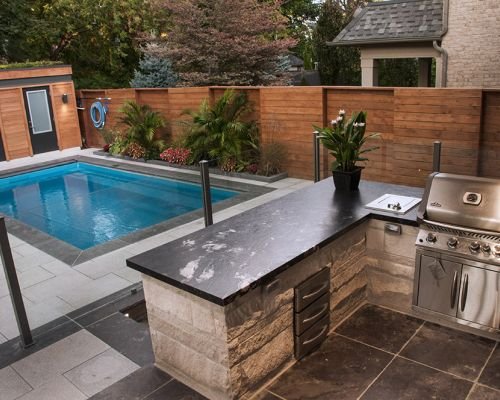
Transform Your Toronto Yard Into a Personal Outdoor Retreat
Transforming Toronto yards into inviting outdoor retreats is about more than just planting a few shrubs or laying down a patio. It’s about crafting spaces that feel personal, welcoming, and sustainable—places where homeowners can relax, entertain, and connect with nature. In a city with diverse seasons, from hot summers to cold winters, designing a yard that can handle these changes takes careful planning and a good understanding of the local environment.
A successful backyard transformation begins with listening to what homeowners want. Whether they envision a lush garden, a sleek modern patio, or a family-friendly play zone, capturing these ideas early helps shape a design that matches their lifestyle and property. Working closely with clients throughout the process ensures the final result isn’t just visually appealing but also practical and eco-friendly, reflecting their values and needs.
Toronto’s climate plays a big role in shaping landscape choices. Native plants, which are naturally adapted to local conditions, require less water, fewer fertilizers, and minimal pesticides. This makes ongoing maintenance easier and more affordable while supporting local wildlife and ecosystems. Incorporating eco-friendly materials like recycled pavers or permeable surfaces further enhances sustainability, helping manage stormwater, prevent erosion, and create a resilient landscape that thrives year-round.
Designing with sustainability in mind also means making efficient use of space. Creating zones for different activities—such as a cozy seating area, a vegetable garden, or a play space—adds functionality without clutter. Layering plants of various heights and textures adds visual interest and depth, making the yard lively and inviting. Using durable, weather-resistant materials for pathways and furniture ensures the space remains attractive over time, reducing future repairs and replacements.
Ultimately, transforming a yard into a personal retreat involves blending beauty with environmental responsibility. By choosing native plants, eco-friendly materials, and smart layout strategies, homeowners can develop outdoor spaces that are resilient, beautiful, and eco-conscious. This balanced approach guarantees their yard remains vibrant through every season and contributes positively to the local environment, creating outdoor retreats that truly feel like an extension of home.
Fundamental Principles of Eco-Friendly and Beautiful Landscapes
Creating a beautiful outdoor space that’s also environmentally responsible starts with core design principles. Native plants form the foundation because they’re naturally suited to Toronto’s climate, requiring less water, fertilizers, and pesticides. This not only simplifies maintenance but also supports local wildlife, helping the landscape stay resilient through seasonal shifts. Selecting regional flora makes the yard easier to care for over time and reduces ecological impact.
Sustainable materials are key in eco-friendly landscaping. Recycled pavers, reclaimed wood, and permeable surfaces like gravel or porous concrete allow rainwater to seep into the ground naturally. These choices help manage stormwater, reduce runoff, and prevent soil erosion while adding visual interest. Using environmentally conscious materials shows that style and sustainability can coexist seamlessly, creating landscapes that are both attractive and functional.
Designing for both beauty and utility involves creating distinct zones, such as cozy seating areas, vegetable gardens, or children’s play spaces, without cluttering the yard. Layering plants of different heights, textures, and colors adds depth and visual appeal, making the space inviting and lively. Durable, weather-resistant materials for pathways and furniture ensure the landscape remains attractive over time, minimizing the need for repairs or replacements.
Water conservation is also a fundamental aspect. Thoughtfully placed trees and shrubs provide natural shade, reducing the need for watering during hot months. Installing rain gardens or bioswales helps manage excess stormwater, allowing it to soak into the ground and supporting overall soil health. These features not only conserve resources but also enhance the aesthetic appeal, blending function with beauty.
Incorporating native plants and eco-friendly materials isn’t just about individual features—it’s about crafting a cohesive, sustainable environment. This approach creates a landscape that responds gracefully to Toronto’s climate, requiring less intervention and fewer resources. It encourages biodiversity, attracts pollinators, and supports local ecosystems, fostering a resilient outdoor retreat.
Design principles like simplicity, balance, and harmony guide the creation of sustainable landscapes. Clear sightlines, thoughtful plant placement, and a focus on functionality ensure the space is as practical as it is beautiful. When every element serves a purpose, the yard becomes a balanced ecosystem that delights the eye and respects the environment.
Integrating these core ideas into your landscape design results in outdoor spaces that are visually stunning, ecologically sound, and easy to maintain. By prioritizing native plants, sustainable materials, and water-smart features, you develop a landscape that endures through seasons and supports local biodiversity. This balanced, thoughtful approach transforms ordinary yards into vibrant, eco-conscious retreats that truly feel like an extension of home.
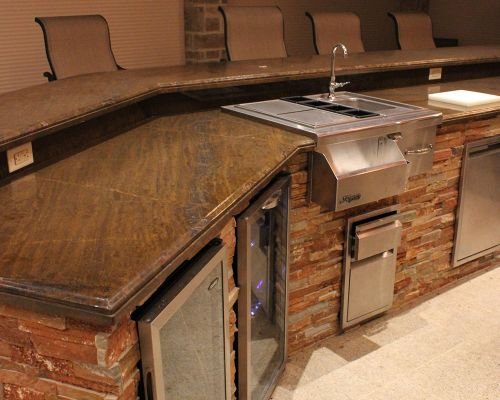
Creative Features and Smart Strategies for a Sustainable Backyard
Innovative outdoor features can transform a backyard from a simple space into a captivating retreat. Well-chosen elements like eco-friendly lighting, water features, and sustainable materials not only enhance visual appeal but also reinforce a commitment to environmental responsibility. When integrated thoughtfully, these features create a harmonious balance between beauty and functionality, elevating your outdoor experience.
Solar-powered lighting is a prime example of eco-conscious innovation. Low-voltage LEDs and solar fixtures cast warm, inviting glows after sunset, reducing energy consumption without sacrificing ambiance. Strategically placed along pathways, around seating areas, or near water features, these lights extend outdoor usability into the evening while keeping the ecological footprint minimal. They add warmth and safety, making your yard a cozy haven after dark.
Water features serve as both focal points and ecological assets. Natural ponds, rain gardens, or recirculating fountains can be constructed using recycled or reclaimed materials. Beyond their aesthetic charm, these features support local wildlife, attract pollinators, and help manage stormwater naturally. Incorporating such elements turns the landscape into a tranquil sanctuary that aligns with sustainability goals, creating a sense of serenity and ecological harmony.
Using sustainable materials throughout the landscape further enhances its eco-friendly profile. Reclaimed wood for decks and furniture, permeable pavers, and recycled stones not only add texture and character but also promote responsible resource use. These materials allow rainwater to seep into the ground, reducing runoff and erosion, while ensuring durability in Toronto’s variable climate. Their visual appeal complements the overall design, proving that style and sustainability can go hand in hand.
Smart technology also plays a pivotal role in responsible outdoor design. Automated irrigation systems equipped with soil moisture sensors optimize water use, preventing waste while maintaining healthy plants. Timers and motion sensors for lighting extend usability and reduce energy consumption. These innovations make caring for your landscape easier, more efficient, and aligned with eco-conscious principles, all without sacrificing convenience or beauty.
Incorporating creative features like eco-friendly lighting, water management systems, and sustainable materials doesn’t just elevate aesthetics; it deepens the connection to environmental responsibility. Each element should serve a purpose—whether to add ambiance, support local ecosystems, or conserve resources—creating a seamless blend of style and sustainability. When these features work together, they turn a backyard into a true outdoor sanctuary.
This approach transforms outdoor spaces into vibrant, resilient retreats that respect and celebrate the natural environment. By integrating innovative features thoughtfully, homeowners can enjoy a beautiful, functional landscape that endures through the seasons and supports the local ecosystem. It’s about creating a space that feels both inviting and responsible—an outdoor retreat that truly reflects harmony between design and nature.
Seamless Implementation for a Stunning and Eco-Conscious Landscape
Turning a landscape design into a stunning outdoor space hinges on smooth, efficient execution. A well-planned project timeline from the start helps keep everyone on the same page, ensuring each step—from site prep to planting—is completed on schedule. Clear communication early on builds confidence and minimizes confusion, making the entire process feel collaborative rather than chaotic.
Regular updates throughout the project are key. By keeping clients informed with scheduled check-ins or progress reports, you catch potential issues early and address them before they become costly setbacks. When homeowners see their vision coming to life step by step, trust grows, and they feel more engaged in the process.
Working with experienced crews who understand sustainable practices makes a noticeable difference. Skilled professionals respect the design’s integrity, carefully handling soil grading, plant placement, and eco-friendly materials. Their attention to detail prevents problems like poor drainage or stressed plants, ensuring the landscape performs well over time and aligns with sustainability goals.
Quality control should be woven into every phase of installation. Regular inspections—checking the levelness of pathways, the placement of plants, and the durability of structures—help catch issues early. Small adjustments made during installation preserve the overall vision and prevent bigger problems down the line, saving time and resources.
Effective logistics are crucial. Coordinating deliveries, scheduling crews, and handling permits or site access can become complex, but proactive organization keeps everything on track. By anticipating potential delays and managing resources efficiently, you minimize disruptions, stay within budget, and ensure the project progresses smoothly.
Creating a positive experience for clients is just as important as the physical work. When homeowners see their outdoor space take shape without stress or confusion, they feel valued and confident. This trust leads to satisfied clients who are more likely to recommend your services and pursue future projects.
Respecting the design, environment, and homeowner’s expectations results in a finished landscape that’s both beautiful and durable. A seamless process combines careful planning, ongoing communication, and skilled craftsmanship, transforming a concept into a vibrant, eco-friendly outdoor retreat. The result isn’t just a yard—it’s a space that reflects professionalism, care, and a commitment to quality.
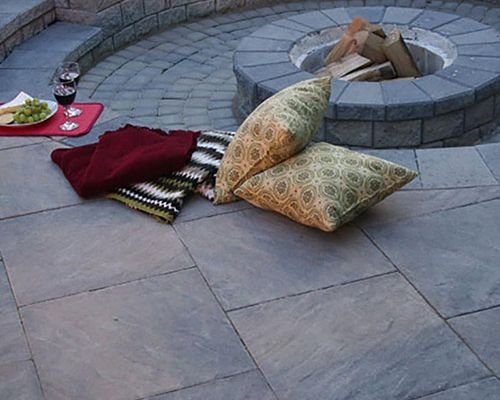
Shaping the Future of Sustainable Landscaping in Toronto
The future of sustainable landscaping in Toronto is poised for exciting growth, driven by technological advances and a stronger commitment to eco-friendly practices. Smart irrigation systems equipped with soil moisture sensors and climate data are becoming more accessible, helping homeowners conserve water while keeping their gardens healthy. These systems automatically adjust watering schedules, reducing waste and adapting to weather fluctuations, which is especially valuable in unpredictable seasons.
Native plants will continue to play a central role in Toronto’s landscape evolution. Advances in plant breeding are expanding the variety of resilient, regionally adapted species, making it easier for homeowners to choose low-maintenance, sustainable options. These plants support local pollinators and biodiversity, strengthening urban ecosystems and reducing the need for inputs like fertilizers and pesticides.
Materials innovation is shaping the landscape industry, with recycled plastics, permeable paving, and reclaimed wood becoming more durable and visually appealing. These materials improve stormwater management by allowing rain to seep into the ground naturally, reducing erosion and runoff. As circular economy principles gain traction, designers and homeowners will have more eco-conscious options that blend seamlessly with aesthetic goals.
Green roofs and living walls are emerging as key features in Toronto’s urban landscape. These structures provide insulation, reduce heat islands, and improve air quality while adding visual interest. As solar integration becomes more efficient and discreet, these features will generate clean energy alongside their ecological benefits, making them essential elements in sustainable outdoor design.
The shift toward community-scale projects like green corridors, rain gardens, and shared outdoor spaces reflects a broader understanding that sustainability extends beyond individual yards. These initiatives promote ecological resilience, social cohesion, and environmental stewardship, setting a precedent for future developments. As awareness of climate change and resource conservation deepens, the landscape industry will continue to innovate—making eco-conscious choices more accessible and integral to outdoor spaces across Toronto.