What if true leadership isn’t about external conquests or visible accomplishments but resides within—anchored in inner discipline, resilience, and moral clarity? This compelling exploration reveals that the greatest leaders, from Marcus Aurelius to modern figures, have built their influence on self-mastery rather than superficial victories. As history and philosophy demonstrate, inner virtues like humility, patience, and self-control endure beyond fleeting triumphs, shaping legacies rooted in character. Today’s leadership landscape echoes this timeless truth: authentic influence depends on governing oneself first—managing emotions, embracing vulnerability, and cultivating resilience. Developing this inner strength involves daily habits like mindfulness and reflection, transforming setbacks into growth opportunities. Ultimately, the journey toward inner discipline fosters a form of power that withstands chaos and change—raising the question: could mastering oneself be the greatest empire of all? This work challenges us to look inward for the true essence of leadership and lasting impact.
Inner Discipline: The Hidden Pillar of True Strength
When we picture leadership and strength, it’s tempting to think of grand displays—armies marching, borders expanding, or impressive accomplishments that catch the eye. These external signs of power are easy to recognize and often what we admire most. But what if the real strength of a leader isn’t about what’s visible on the surface? What if true power resides within, in the ability to govern oneself amid chaos and challenge? This idea—that inner discipline is the foundation of genuine strength—has deep roots in history and philosophy. It challenges the common view that victory and conquest are the ultimate measures of power, suggesting instead that the most enduring leaders are those who develop resilience, moral clarity, and self-control.
Inner discipline is about building a strong inner foundation. It involves controlling impulses, staying true to core values, and maintaining moral integrity even when circumstances tempt otherwise. It’s more than just willpower; it’s about cultivating mental resilience—the ability to face setbacks without losing composure—and developing a consistent inner moral compass. Leaders who focus on these qualities can act with clarity and purpose, regardless of external pressures or distractions. Their strength isn’t dependent on external validation but on mastery over their own mind and character.
Throughout history, many figures have demonstrated that inner strength often outweighs external conquests. Laozi, the ancient Chinese philosopher, emphasized humility and self-awareness as key leadership virtues. Sir Thomas More prioritized integrity over military power, advocating for principled governance rooted in morality. More recently, figures like Mahatma Gandhi showed that unwavering moral discipline and resilience could challenge entire societies without violence or domination. These examples reveal that internal qualities—resilience, moral clarity, and self-control—are powerful tools for shaping history, often more enduring than fleeting external victories.
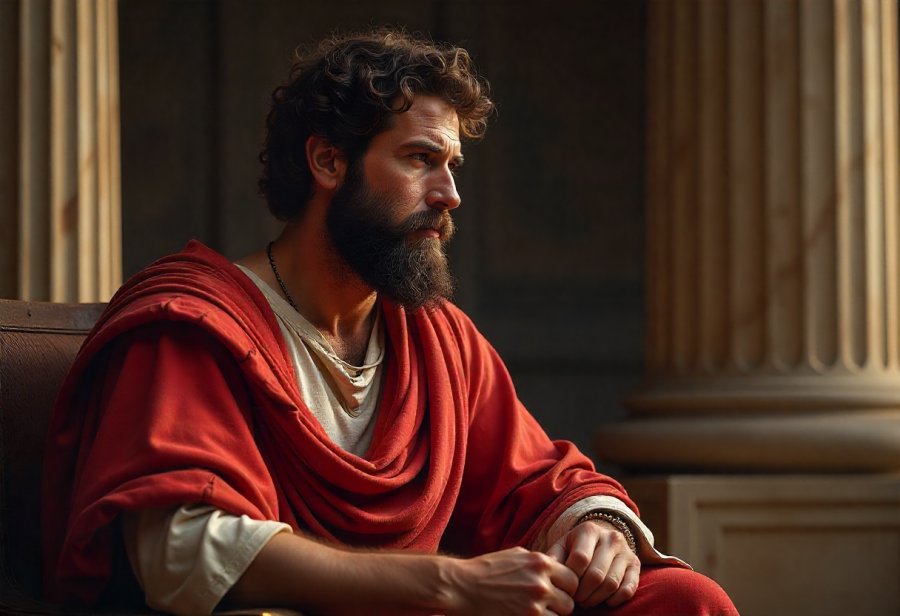
One of the most compelling examples is Marcus Aurelius. As Roman Emperor, he commanded armies and ruled an empire, yet what set him apart was his deep commitment to Stoic philosophy. His writings in *Meditations* reveal a man dedicated to self-control, humility, and mental resilience. Even amid warfare and political upheaval, Marcus believed that true strength came from mastering his own mind and character. His leadership was rooted in inner discipline, enabling him to govern with wisdom, calm, and humility—traits that continue to inspire the idea that internal mastery is the real source of power.
These lessons from history challenge the idea that external achievements define true leadership. Instead, they show us that genuine influence stems from qualities like self-mastery, moral integrity, and resilience—traits that last beyond surface-level success. Leaders who prioritize inner discipline create a foundation that endures through adversity, shaping their influence through character rather than fleeting achievements. In a world obsessed with external validation, this shift toward valuing inner strength offers a deeper, more sustainable form of leadership—one rooted in wisdom, resilience, and moral clarity.
Lessons from History: Leaders Who Valued Inner Power
Throughout history, many leaders have demonstrated that inner strength can be more influential than external conquest. Laozi, the ancient Chinese philosopher, emphasized humility, self-awareness, and inner harmony as the true marks of leadership. His teachings suggest that a leader’s mastery over themselves creates a foundation of genuine authority that doesn’t rely on force or material power. Leaders who cultivate these inner qualities often leave a lasting legacy rooted in moral integrity rather than fleeting victories.
Similarly, Sir Thomas More prioritized integrity and moral conviction over military might. He believed that principled governance based on virtue holds more lasting value than territorial gains or superficial displays of power. More’s emphasis on internal strength—his unwavering commitment to his values—reminds us that true leadership stems from moral resilience that sustains influence across generations, not just external achievements.
In more recent times, figures like Mahatma Gandhi exemplify how steadfastness in moral discipline and inner resilience can reshape entire societies without violence. Gandhi’s unwavering commitment to nonviolence and his ability to stand firm under immense pressure demonstrated that inner discipline can challenge and transform entrenched systems. His leadership was rooted in resilience and moral clarity, proving that internal virtues can forge profound social change.
Marcus Aurelius stands out as a compelling example of this principle. As Roman Emperor, he commanded armies and ruled an empire, yet his true strength lay in his dedication to Stoic philosophy. His writings in *Meditations* reflect a leader committed to self-control, humility, and mental resilience. Even amid wars and political upheaval, Marcus believed that mastery over his own mind and character was the key to authentic power. His internal discipline enabled him to govern with wisdom, calm, and humility—traits that continue to inspire the idea that internal mastery surpasses external conquest.
These stories challenge the conventional notion that leadership is primarily about external victories. Instead, they reveal that genuine influence is rooted in inner qualities—self-mastery, resilience, and moral integrity—that outlast surface achievements. Leaders who focus on cultivating inner strength create foundations that withstand the tests of time and adversity, shaping their legacy through character rather than fleeting outward displays.
History’s most respected figures understood that true power springs from within. Their lives serve as reminders that inner virtues—humility, discipline, resilience—are the real drivers of lasting influence. External triumphs may open doors temporarily, but it’s internal mastery that builds trust, loyalty, and respect across generations. These examples underscore that genuine leadership begins with governing oneself first, making inner discipline the true measure of strength.

Modern Leadership: The Shift Toward Inner Strength
In today’s world, leadership is often measured by visible achievements—big teams, impressive revenues, or a strong social media presence. These external markers can create an illusion of success, but they don’t capture what truly sustains influence over time. Increasingly, people recognize that authentic leadership depends on inner qualities like emotional intelligence, resilience, and moral integrity. These traits may not be flashy, but they form the bedrock of trustworthiness and enduring influence, far beyond surface accomplishments.
Modern leadership shifts focus from titles and trophies to the inner landscape of the individual. Self-awareness and authenticity are now regarded as equally important as strategic skills. Leaders who understand their emotions and motives can connect more genuinely with others, building trust and loyalty. Resilience—the capacity to recover from setbacks—becomes a vital trait, enabling leaders to stay calm and centered amid chaos. Such inner qualities create a stable foundation that supports consistent, purpose-driven actions, even in turbulent times.
This cultural shift also reflects a broader understanding of mental health and emotional well-being. Society increasingly values vulnerability as a form of strength rather than weakness. Leaders who openly demonstrate self-awareness, admit their imperfections, and show resilience set a powerful example. They prove that influence isn’t about superficial displays but about governing oneself first. This internal focus fosters authentic relationships and cultivates a climate of trust, making leadership more sustainable and meaningful.
In the realm of business and organizational leadership, emotional intelligence has become a core competency. Leaders who manage their emotions effectively and empathize with others are better equipped to motivate teams and navigate complex situations. Their inner strength provides stability, allowing them to adapt and thrive despite external shifts. While external achievements may open doors temporarily, it’s the internal discipline—self-control, moral clarity, resilience—that ensures long-term success and influence.
As these ideas gain prominence, it’s clear that cultivating inner discipline is no longer optional but essential. Developing self-awareness, practicing resilience, and aligning actions with core values require ongoing effort. Leaders who invest in their inner growth build a foundation of trust and authenticity that can weather any storm. This inner strength becomes their true power, inspiring others through consistency, integrity, and calm resolve, regardless of external circumstances.
Cultivating Inner Discipline: Tools for Lasting Leadership
Building inner discipline starts with simple, consistent habits that gradually strengthen self-control and mental clarity. Setting aside a few minutes each morning for meditation or mindful breathing can create a calm space to respond thoughtfully rather than react impulsively. These practices don’t need to be elaborate; their effectiveness lies in regularity. Over time, they enhance awareness of your thoughts and emotions, giving you better control over reactions under pressure. Developing this mindfulness is the first step toward building resilience and inner strength.
Journaling complements these habits by fostering honest self-assessment. Taking moments to write down your thoughts, feelings, and reflections helps identify recurring patterns, triggers, and core values. Tracking your progress over days or weeks reveals how your ability to stay calm and morally grounded improves. This process deepens self-awareness and reinforces your commitment to inner discipline, making it easier to stay aligned with your long-term goals during setbacks and external chaos.
Resisting impulsive decisions is crucial in cultivating resilience. When faced with temptation or emotional reactions, pausing before acting creates space for deliberate choice. Techniques like the “pause and breathe” method—taking a breath or counting to ten—allow you to respond intentionally instead of reacting automatically. With consistent practice, this habit becomes second nature, strengthening your inner resolve and reducing knee-jerk reactions. Over time, it cultivates a sense of calm confidence that supports steady leadership.
Incorporating moments of solitude and reflection deepens self-understanding. Whether it’s a quiet walk, a few minutes of silent meditation, or journaling in a peaceful environment, these pauses reconnect you with your purpose and values. They serve as gentle reminders of what truly matters, helping you maintain clarity amid external distractions. This inner clarity fuels resilience, making it easier to stay disciplined when facing setbacks or external chaos.
Viewing inner discipline as an ongoing journey rather than a quick fix keeps motivation high. Engaging in practices like mindfulness, philosophical questioning, or embracing discomfort challenges you to think deeply about your reactions and beliefs. When you see inner discipline as a continuous process of growth, it becomes less burdensome and more natural. Small, deliberate efforts—resisting fleeting impulses, practicing gratitude—add up over time, creating a robust foundation that supports calm, purposeful leadership.
Consistency is key. Building inner strength doesn’t happen overnight but through daily, intentional effort. Every moment of self-awareness, every pause, and every reflection consolidates your mental resilience. Over time, these small acts compound, transforming your capacity to remain centered amid chaos. This inner discipline becomes a reliable anchor, empowering you to lead with clarity, patience, and moral integrity, regardless of external circumstances.
Finally, remember that setbacks are part of the process. When you stumble or lose focus, view it as an opportunity for growth rather than failure. Each challenge offers a chance to refine your habits and deepen your self-awareness. Embracing this mindset keeps your inner discipline resilient and adaptable. With persistent effort, these practices will become second nature, fortifying your leadership with a steady, unwavering inner strength that withstands any storm.
The Lasting Legacy: Inner Discipline as the Foundation of True Influence
Inner discipline is the true cornerstone of genuine leadership. While external accomplishments like titles, victories, or wealth might catch the eye in the moment, it’s the strength of a person’s inner character that sustains influence over the long run. Leaders who cultivate self-control, moral clarity, and resilience create a foundation that remains steady through adversity and change. These qualities may not always be immediately visible, but they shape how a leader responds to challenges and inspire trust in others.
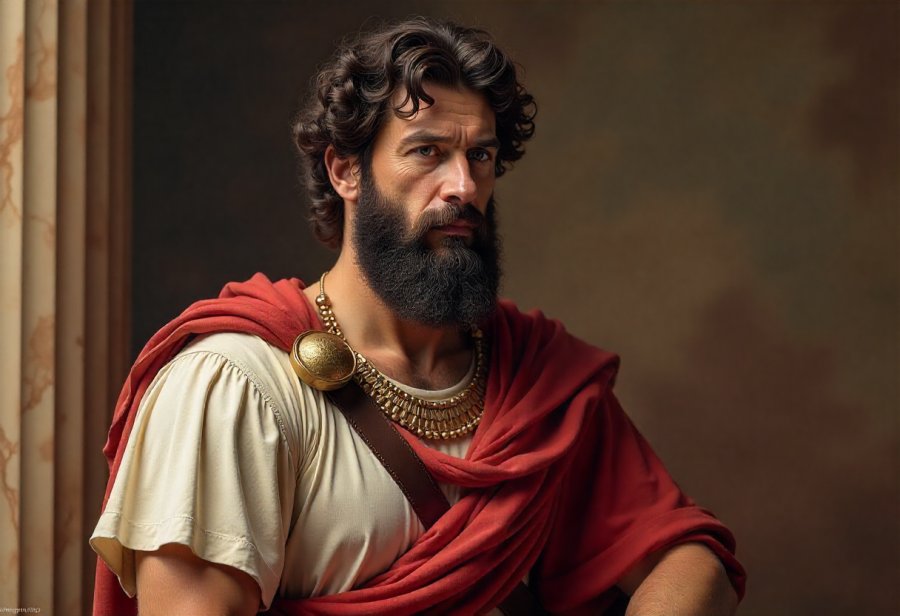
Looking back at history, it’s clear that internal virtues often leave a more lasting legacy than surface-level success. Figures like Marcus Aurelius exemplify how mastery over oneself—through humility, discipline, and integrity—can outweigh military conquests or political power. His writings in *Meditations* reveal a leader focused on inner calm and purpose amid chaos. This internal strength allowed him to govern with wisdom and humility, traits that continue to resonate centuries later. Such examples remind us that true influence is built on character, not just external achievements.
Modern leadership reinforces this idea. Today’s most respected figures emphasize emotional intelligence, resilience, and authenticity. They understand that influencing others depends on how well they govern themselves first—managing emotions, staying true to core values, and remaining calm under pressure. These qualities foster trust and loyalty, creating a legacy that endures beyond superficial accolades. Developing inner discipline isn’t a quick fix; it’s an ongoing process that deepens self-awareness and moral clarity, making leadership more authentic and sustainable.
Cultivating this inner strength involves daily efforts—resisting impulsive reactions, practicing mindfulness, and reflecting on core values. Small habits like pausing before acting or journaling your thoughts build resilience over time. When setbacks occur, viewing them as opportunities for growth rather than failures keeps your inner discipline resilient. This continuous commitment to self-improvement transforms leadership from a role dependent on external validation into a practice rooted in moral integrity and inner calm.
The most impactful leaders recognize that true power begins within. Inner discipline provides the stability, clarity, and moral backbone needed to navigate any storm. It enables leaders to act with purpose and consistency, inspiring others through their example rather than superficial displays. Over time, this inner strength becomes the source of lasting influence, shaping a legacy that withstands the tests of time and turmoil.
In essence, authentic leadership is a journey of self-mastery. It’s about knowing yourself deeply and aligning your actions with your values. By investing in your inner discipline, you lay the groundwork for influence that is resilient, genuine, and enduring. This inner work not only elevates your leadership capacity but also transforms how you engage with the world—fostering trust, respect, and a legacy rooted in true strength.