Transforming Toronto yards into stunning outdoor retreats is more than just planting and paving—it’s about creating personal sanctuaries that blend beauty, sustainability, and functionality. How can homeowners craft vibrant, eco-friendly spaces that withstand Toronto’s seasonal demands while reflecting their lifestyle? This guide explores core landscape principles like harmony, focal points, and native plant choices that support a resilient, low-maintenance environment. Thoughtful design strategies emphasize eco-conscious features, personalized touches, and innovative elements like water features and smart systems, turning modest yards into dynamic retreats. The journey from planning to installation hinges on clear communication, expert craftsmanship, and sustainable practices that ensure long-term satisfaction. As landscape design evolves, what future innovations will make outdoor spaces even more resilient and personalized? The evolving landscape industry promises greener, smarter, and more meaningful outdoor sanctuaries—where the line between nature and home becomes beautifully seamless.
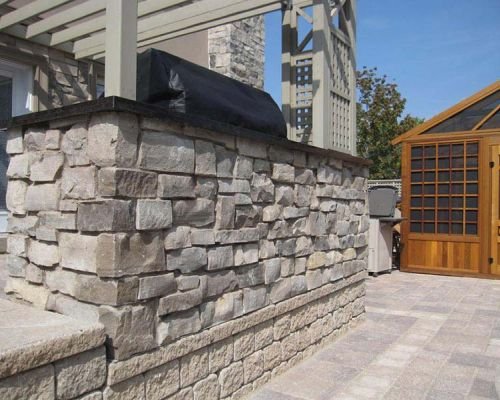
Transform Your Toronto Yard into a Personal Sanctuary of Nature and Relaxation
Transforming Toronto yards into outdoor retreats is about more than just planting a few shrubs or laying down a patio. It’s a chance to craft a personal sanctuary where everyday life feels calmer and more connected to nature. In the city’s busy rhythm, having a space to unwind, entertain, or simply enjoy quiet moments can make a real difference. A thoughtfully designed yard transforms from a simple patch of grass into a vibrant extension of your home—an inviting escape that reflects your style and lifestyle.
Toronto’s climate presents both challenges and opportunities for outdoor transformation. Winters can be harsh, and summers humid, so selecting the right plants and materials is crucial. Native plants, which thrive naturally here, require less water and maintenance, making your yard more sustainable and easier to care for. Incorporating eco-friendly features like rain gardens and permeable paving not only supports the environment but also helps manage stormwater effectively, reducing runoff and supporting local ecosystems.
Many homeowners overlook the full potential of their outdoor spaces, seeing them as mere backgrounds rather than opportunities for innovation. But with creative planning, even modest yards can be transformed into lush, functional retreats. Whether it’s a cozy seating nook, a vegetable garden, or a water feature that adds tranquility, each yard holds the promise of something extraordinary. The key is blending aesthetics with practicality to produce a space that’s both beautiful and easy to maintain.
The process of yard transformation isn’t just about looks; it’s about creating a space that enhances your daily life. When design choices reflect your personal preferences—like a firepit for family gatherings or a quiet corner for reading—you’re more likely to use and enjoy your outdoor retreat regularly. This personalization makes the space feel authentic and inviting, encouraging you to spend more time outdoors.
Sustainable design principles play a vital role in ensuring your yard remains vibrant over time. Using native plants, eco-friendly materials, and water-efficient systems helps your landscape resist the wear and tear of Toronto’s seasons. These choices reduce ongoing costs and effort, making your outdoor space a resilient haven that ages gracefully. A well-planned yard not only looks good today but continues to thrive for years to come.
Transforming a yard is a journey that combines creativity, practicality, and environmental responsibility. It’s about making every square foot count, turning an ordinary space into a personal retreat that boosts your property’s value and your quality of life. With the right approach, your yard can become a beautiful, functional extension of your home—an outdoor sanctuary that nurtures both your well-being and the environment.
Building a Foundation: Core Principles for Stunning Landscape Design
Creating a beautiful outdoor space begins with understanding some core landscape design principles that serve as the foundation for any successful transformation. Harmony and balance are essential; when plants, structures, and features work together seamlessly, the yard feels cohesive and inviting. A well-organized layout guides the eye naturally, making the space feel more spacious and comfortable to navigate. This sense of flow transforms a collection of unrelated elements into a unified retreat that encourages relaxation and exploration.
Focal points are key to anchoring the design and giving it purpose. Whether it’s a striking plant, a decorative sculpture, or a cozy firepit, these features draw attention and serve as visual anchors. They act as reference points, guiding visitors through different zones within the yard and adding layers of interest. Strategically placed focal points help create a sense of discovery, making the landscape feel curated and intentional rather than random.
Choosing the right plants and materials is especially important in Toronto’s climate. Native plants that thrive naturally here require less water, fertilizers, and pesticides, supporting local ecosystems while reducing maintenance. Incorporating eco-friendly features like rain gardens and permeable paving helps manage stormwater effectively, preventing erosion and runoff. These elements add a natural aesthetic and contribute to a resilient landscape that ages gracefully and minimizes ongoing effort.
Designing with personal needs and preferences in mind ensures the yard reflects your lifestyle and personality. Whether you want a lush garden for relaxation, a minimalist patio for entertaining, or a vegetable patch for food growing, clear priorities shape every decision. When your landscape aligns with how you live, you’re more likely to use and enjoy it daily. Personal touches like outdoor art or custom seating further enhance the space’s authenticity and comfort.
Sustainability weaves through every aspect of good landscape design. Opting for durable, locally sourced materials and native plants supports long-term resilience. These choices reduce maintenance costs, chemical use, and environmental impact, creating a landscape that not only looks good but also endures over time. A resilient yard requires less intervention, freeing you to focus on enjoying your outdoor sanctuary.
Effective landscape design balances aesthetics with practicality and environmental responsibility. Thoughtful placement of features, plants, and materials creates a space that is beautiful, functional, and eco-friendly. This harmony ensures your yard remains vibrant and inviting through Toronto’s seasonal changes, making it a true extension of your home. When design principles are thoughtfully applied, your outdoor space becomes a sanctuary that elevates your entire living experience.
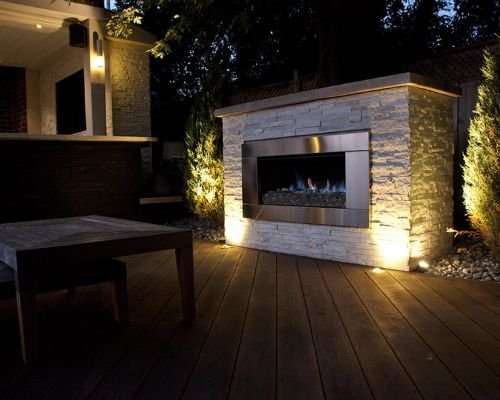
Innovative Strategies to Create Inviting and Sustainable Outdoor Retreats
Creating an inviting outdoor retreat in Toronto starts with thoughtful design choices that blend beauty and practicality seamlessly. Focal points—such as a striking plant, a sculpture, or a cozy firepit—serve as visual anchors that immediately draw attention and give the space purpose. These features guide the eye naturally across the yard, encouraging exploration and making each zone feel intentional. Layering planting beds with a variety of textures and colors adds depth and vibrancy, transforming a flat landscape into a lush, dynamic environment.
Functionality is just as vital as aesthetics. A well-designed outdoor space considers how you’ll actually use it—whether for entertaining guests, relaxing after work, or growing fresh herbs and vegetables. Creating distinct zones within the yard allows for smooth transitions between different activities. For instance, positioning a comfortable seating area next to a dining space or a small vegetable garden makes the entire layout feel cohesive and easy to navigate. Incorporating adaptable elements like multi-purpose furniture or adjustable lighting further enhances usability, ensuring the space fits your lifestyle.
Eco-friendly features also elevate your landscape. Native plants, which thrive naturally here, require less water and maintenance, supporting local ecosystems while reducing your environmental footprint. Rain gardens and permeable paving help manage stormwater runoff effectively, preventing erosion and promoting natural water absorption. These features often add a charming, natural look to the yard and contribute to its resilience, all while minimizing ongoing upkeep. The result is a landscape that’s both beautiful and sustainable.
Adding personal touches transforms a generic yard into a reflection of your personality. Small details like string lights, outdoor art, or custom-built benches create a welcoming atmosphere that invites relaxation and socialization. Tailoring your design to include features you love—whether it’s a cozy reading nook or a vibrant flower bed—makes the space more inviting and likely to be used daily. When your outdoor retreat aligns with your tastes and habits, it becomes a true extension of your home.
Innovative features can push your yard from ordinary to extraordinary. Thoughtful lighting creates ambiance and extends usability into the evening hours. Water features, such as small ponds or bubbling fountains, introduce calming elements that encourage unwinding. Comfortable seating options—like built-in benches or lounge chairs—invite lingering and socializing, making your yard a practical retreat for both quiet moments and lively gatherings. These touches not only boost visual appeal but also enhance overall comfort.
Finally, balancing beauty with environmental responsibility requires strategic planning. Using native plants, permeable surfaces, and water-efficient systems supports long-term resilience and reduces maintenance costs. These choices ensure your outdoor space remains vibrant and functional through Toronto’s changing seasons. When design decisions prioritize sustainability without sacrificing style, your yard becomes a lasting sanctuary—one that enriches your life while being kind to the planet.
Bringing Visions to Life: How to Implement Designs and Satisfy Clients
Turning a landscape design into a finished outdoor space requires careful coordination and clear communication throughout the process. From the initial planning stages to the final touches, keeping clients informed and involved helps ensure the project stays aligned with their vision. Regular updates, progress photos, and transparent discussions build trust and allow for adjustments early on, preventing surprises and minimizing frustration.
Attention to detail during installation makes all the difference in achieving a polished, durable result. Proper soil preparation, precise planting, and thoughtful placement of features ensure the landscape not only looks great but also functions well over time. Skilled craftsmanship during these steps transforms the initial design into a vibrant, functional space that stands up to Toronto’s seasonal changes.
Maintaining open dialogue with clients as work progresses fosters a sense of ownership and confidence. Sharing updates frequently and discussing any adjustments keeps expectations realistic and prevents miscommunication. When clients feel involved in each stage, they develop greater satisfaction with the final outcome, turning what can be a stressful process into an engaging partnership.
Sustainable practices are woven into every phase of installation. Selecting eco-friendly materials, native plants, and water-efficient features from the start ensures the landscape is resilient and easier to maintain. Proper soil health, strategic planting, and eco-conscious feature placement create a landscape that ages gracefully and supports long-term environmental health.
Anticipating potential challenges—such as weather delays, supply issues, or site-specific concerns—and preparing contingency plans keeps the project on track. Proactive problem-solving minimizes setbacks and helps preserve the integrity of the original design. This approach ensures the final product matches expectations and maintains high quality throughout.
Finishing touches, like landscape lighting, decorative accents, and fine-tuning plant arrangements, give the yard a refined, inviting look. These details enhance both beauty and functionality, making the space ready for use and enjoyment. A thorough walkthrough with the client at project completion confirms that every element meets or exceeds expectations.
When the project wraps up, client satisfaction becomes the ultimate measure of success. Delivering a landscape that aligns with their vision—and often surpasses it—creates a sense of pride and excitement. A well-executed installation not only elevates the property’s value but also provides a lasting outdoor retreat that homeowners will cherish for years to come.
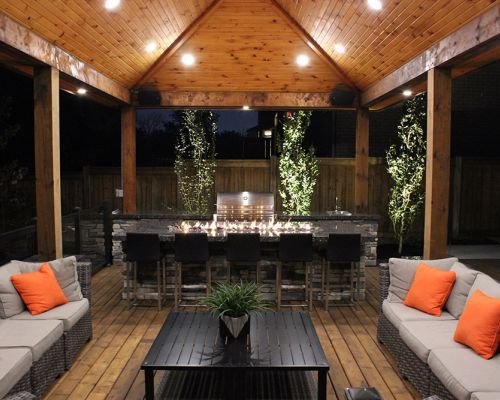
Looking Ahead: Embracing Innovation and Sustainability in Future Yard Transformations
Looking ahead, the future of transforming Toronto yards into stunning outdoor retreats hinges on blending creativity with sustainability. Advances in eco-friendly practices, such as native plant selections, water-efficient systems, and permeable surfaces, will become even more central to landscape design. These innovations help create resilient, low-maintenance yards that thrive despite Toronto’s seasonal challenges while supporting local ecosystems. As technology evolves, tools like smart irrigation, automated lighting, and virtual visualization will make planning and refining outdoor spaces more collaborative and precise, giving homeowners a clear picture of their dream yard before the work begins.
New materials and design techniques will unlock fresh possibilities for outdoor retreats. Modular planting systems, eco-conscious decking, and sustainable hardscapes will allow for more personalized, environmentally friendly solutions. These options make yards easier to maintain and more adaptable to changing needs over time, ensuring your outdoor space remains vibrant and functional through all seasons. The focus on native plants and eco-conscious features will only grow, encouraging homeowners and designers to prioritize landscapes that foster biodiversity and resource conservation, transforming outdoor spaces into active contributors to local sustainability.
Personalization will continue to shape outdoor design, with more spaces reflecting individual lifestyles, passions, and environmental values. Whether it’s a backyard designed for outdoor dining, meditation, or vegetable gardening, future projects will focus on creating environments that genuinely enhance daily life. Smart technology, like automated watering or lighting systems, will further customize these retreats, making outdoor living more convenient and enjoyable. As awareness of environmental impact expands, more homeowners will seek designs that align with their values, creating spaces that are both beautiful and responsible.
Ongoing education and collaboration will be key drivers of innovation. Sharing knowledge about sustainable practices, cutting-edge materials, and new design approaches will inspire higher standards and fresh ideas. Industry professionals, landscape architects, and homeowners will work together to push boundaries, ensuring Toronto yards evolve into more than just attractive spaces—they will become eco-friendly sanctuaries that stand the test of time. This shared commitment to quality and sustainability will shape a landscape industry that’s as innovative as it is responsible.
Ultimately, the yards of tomorrow will be more than visual highlights—they’ll be vital parts of a sustainable lifestyle. Every project becomes an opportunity to redefine outdoor living, blending personal expression with environmental stewardship. The ongoing integration of smart technology, eco-friendly materials, and personalized design will forge outdoor spaces that support well-being, community, and ecological health. As the industry continues to evolve, Toronto yards will transform into vibrant, resilient retreats that reflect both individual identity and collective responsibility, ensuring these outdoor sanctuaries flourish for generations to come.