Imagine transforming water from a source of fear into a realm of confidence and joy—no matter your age. Learning to swim is more than mastering strokes; it’s about conquering deep-seated anxieties and embracing a lifelong skill that enhances safety, health, and social connection. From ancient civilizations that celebrated water in rituals to modern innovations utilizing AI and virtual reality, the journey of swimming reflects resilience and progress. This evolving landscape emphasizes inclusivity, safety, and technological advancements, making water skills accessible to everyone. But what if the greatest obstacle isn’t the water itself, but the courage to take that first brave step? As you explore this transformative process, you’ll discover that the true power of swimming lies not just in the water, but in the confidence it instills—opening doors to adventures, wellness, and freedom previously thought impossible.
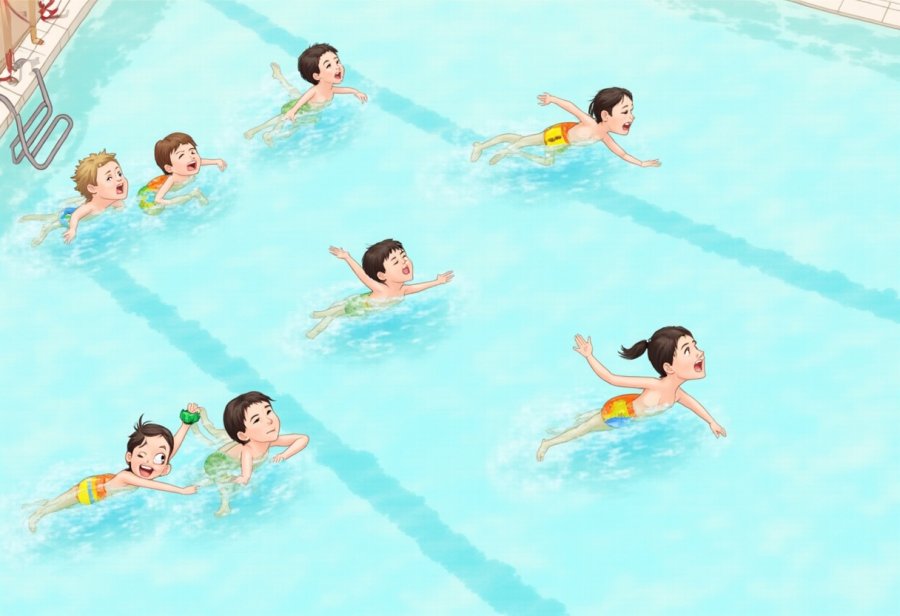
Transforming Water Fears into Confidence: The Power of Learning to Swim
Learning to swim is about more than just mastering strokes or floating; it’s a skill that can truly transform how you see water—and yourself. For many, water has long been a source of hesitation or fear, often rooted in childhood experiences or unfamiliarity. Overcoming that initial apprehension opens the door to a world of safety, confidence, and enjoyment. Whether helping a child conquer their squeamishness or an adult finally facing a long-standing anxiety, taking that first step into the water is a powerful move.
This journey isn’t about instant mastery but about progress and patience. Every small victory—like sitting calmly by the pool, breathing steadily, or splashing gently—is a building block toward confidence. Support from instructors, safety gear, and a calm environment make these steps manageable. As skills develop, water becomes less intimidating and more inviting, shifting from a place of worry to one of play and exploration.
Learning to swim is also about developing resilience. It’s a process that rewards persistence, where each new skill reinforces trust in your ability to handle water safely. Floating unaided, swimming short distances, or feeling relaxed in the water—these milestones are signs of growth. They remind us that fear can be replaced with familiarity and that confidence in water is within reach at any age.
Beyond safety, swimming offers numerous health benefits. It’s a low-impact activity that engages the entire body, helping to improve cardiovascular health, build strength, and increase flexibility. Regular water activity can also reduce stress and boost mental clarity, turning exercise into a calming, therapeutic experience. For many, the pool or the sea becomes a space for rejuvenation, not just a place to learn.
Most importantly, learning to swim is a deeply personal journey. It involves listening to your own pace, celebrating small victories, and embracing the process. With patience and support, anyone can move from water-related fears to confidence. That transformation—from hesitation to freedom—is what makes learning to swim such a meaningful and empowering experience, no matter your age.
From Ancient Rituals to Modern Sports: The Rich History of Swimming
Swimming has been a fundamental part of human life for thousands of years, with its roots stretching deep into ancient civilizations. In societies like Egypt, Greece, and Rome, water skills were not just practical tools for survival but also symbols of social status and cultural identity. Egyptians relied on water techniques along the Nile for transportation and trade, developing methods that allowed them to move efficiently through water. Meanwhile, the Greeks and Romans embraced swimming as both a form of exercise and a social activity, often incorporating it into athletic competitions and leisure routines. These early practices laid the groundwork for understanding water as a space for both utility and enjoyment.
As civilizations evolved, so did the purpose and perception of swimming. Over time, it shifted from a survival skill to a cultural tradition and sport. Across different regions, water festivals and rituals became common, celebrating water’s role in daily life and community bonding. These traditions emphasized safety, skill, and the joy of movement in water, creating a rich tapestry of water-related customs that still influence us today. Different strokes and techniques emerged, reflecting humanity’s ongoing relationship with water—balancing efficiency, safety, and recreation.
The 19th century marked a major turning point with the advent of modern swimming pools. These controlled environments made learning safer and more accessible, allowing people of all ages to practice and improve their skills. Organizations like the YMCA and the Red Cross began standardizing swimming lessons and safety protocols, helping to reduce drowning incidents and promote water confidence worldwide. This era transformed swimming from a necessary survival skill into a popular leisure activity and a community-building pursuit.
In the 20th century, swimming became a global sport, propelled by the Olympic Games and advancements in training and safety. The introduction of new techniques and equipment made swimming more efficient and enjoyable, encouraging widespread participation. Public swim programs expanded, especially in urban areas, making water safety and skills part of everyday life. These developments helped embed swimming as a lifelong pursuit, valued for health, recreation, and personal achievement.
Understanding this history reveals how deeply water skills are woven into human culture. From ancient survival techniques to modern competitive sports, swimming continues to symbolize resilience, connection, and personal growth. Recognizing these roots can inspire new generations to see water not as a source of fear but as a space for confidence, joy, and lifelong adventure. Today’s practices and innovations stand on the shoulders of centuries of tradition, ensuring water safety and enjoyment remain central to our lives.
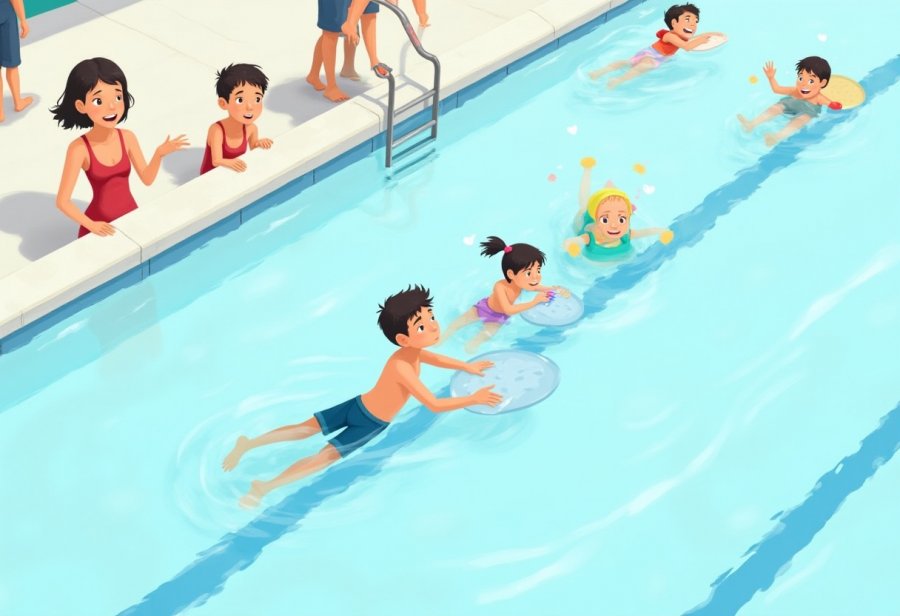
Swimming Today: Embracing Innovation, Safety, and Inclusivity
Swimming today is guided by well-established safety standards, innovative teaching methods, and a more inclusive attitude than ever before. It’s recognized not just as a vital life skill but also as a popular way to stay active, have fun, and connect with others. Modern instruction focuses on building confidence gradually, with certified instructors, structured programs, and community resources making learning accessible for all ages and backgrounds. Whether for children or adults, the emphasis is on creating a positive, supportive environment that encourages progress at each individual’s pace.
Different teaching approaches shape how swimming is taught now. The “Learn to Swim” method begins with water comfort and breathing techniques, progressing to strokes as confidence grows. The “Total Immersion” approach emphasizes relaxed, efficient movement, helping swimmers develop smooth, energy-conserving strokes. The Red Cross Swim Program combines safety skills with technical training, ensuring learners develop competence and assurance. Instructors often incorporate playful, engaging techniques—especially for children—to foster a love of water and reduce anxiety.
Swimming has become a routine part of daily life for many, thanks to the widespread availability of pools, lakes, and beaches. Early lessons for kids focus on safety and enjoyment, laying a foundation for lifelong water confidence. Adults benefit from swimming as a low-impact workout and stress reliever, making it easy to fit into busy schedules. As a result, water activities are more accessible than ever, turning swimming from a skill into a lifestyle practice that promotes health, relaxation, and social connection.
Safety remains a top priority in modern swimming education. While standards are high, ongoing discussions highlight the importance of personalized approaches that address individual fears or physical limitations. Efforts are underway to ensure consistent safety protocols across regions and to improve instructor training, making water safety more reliable everywhere. Inclusive programs now specifically target people with disabilities, older adults, and marginalized groups, broadening access and fostering a culture of safety and confidence for everyone.
Technological innovations are shaping the future of swimming instruction. Underwater cameras, virtual coaching, and real-time performance feedback help learners refine their technique more quickly. These tools make personalized learning more engaging and effective, often accelerating progress and boosting motivation. As these technologies become more affordable and widespread, they help democratize access to high-quality instruction, reaching communities that previously lacked resources and expertise.
Looking ahead, emerging trends like waterproof wearables, smart sensors, and virtual reality training are poised to transform water safety and skill development. Devices that monitor heart rate, fatigue, and technique provide instant feedback, helping swimmers stay safe and improve efficiently. Automated safety systems, underwater drones, and predictive analytics could further enhance emergency response and drown prevention. These innovations aim to make swimming safer, more inclusive, and more enjoyable, ensuring that everyone can experience the benefits of water confidence in the years to come.
Applying Water Skills: Enhancing Safety, Health, and Enjoyment in Daily Life
Learning to swim is about more than just strokes and floatation; it’s about applying those skills to enhance safety, health, and enjoyment in everyday life. When you feel confident in the water, you’re better prepared to handle unexpected situations—whether it’s a rip current at the beach or a slip in the pool. Knowing how to float or conserve energy can make all the difference in emergencies, turning panic into calm and providing the tools to respond effectively.
Building on your lessons, small goals like floating on your back or practicing steady breathing can significantly boost your sense of security. As these foundational skills develop, swimming short distances or performing basic strokes become more natural. Each step forward increases your ability and deepens your trust in your water competence, transforming fear into familiarity and confidence.
Beyond safety, swimming offers profound health benefits. It’s a low-impact activity that engages your entire body, improving cardiovascular health, strength, and flexibility. Unlike high-impact sports, swimming minimizes joint stress, making it accessible for all ages and fitness levels. Regular water activity also reduces stress, clears the mind, and fosters overall well-being, turning exercise into a calming, therapeutic ritual.
The social and recreational possibilities expand dramatically once you’re comfortable in the water. Whether enjoying a family pool day, exploring water sports like kayaking or paddleboarding, or relaxing at the beach, water confidence opens up a world of fun and connection. It allows you to participate actively, creating shared experiences rather than watching from the sidelines, enriching relationships with friends and loved ones.
Overcoming initial fears and physical limitations takes patience and support. Using tools like floaties or working in shallow water can help you progress at your own pace. Celebrating small victories—like floating unaided or swimming a short distance—builds motivation and resilience. These milestones prove that water confidence is within reach, regardless of age or starting point.
Applying water skills in everyday life not only enhances safety but also fosters independence and peace of mind. Whether navigating a pool safely, feeling secure at the beach, or engaging in water-based activities at home, each successful experience reinforces your ability to stay safe and have fun. Learning to swim becomes a gateway to a more active, secure, and joyful relationship with water—adding richness and confidence to everyday moments.
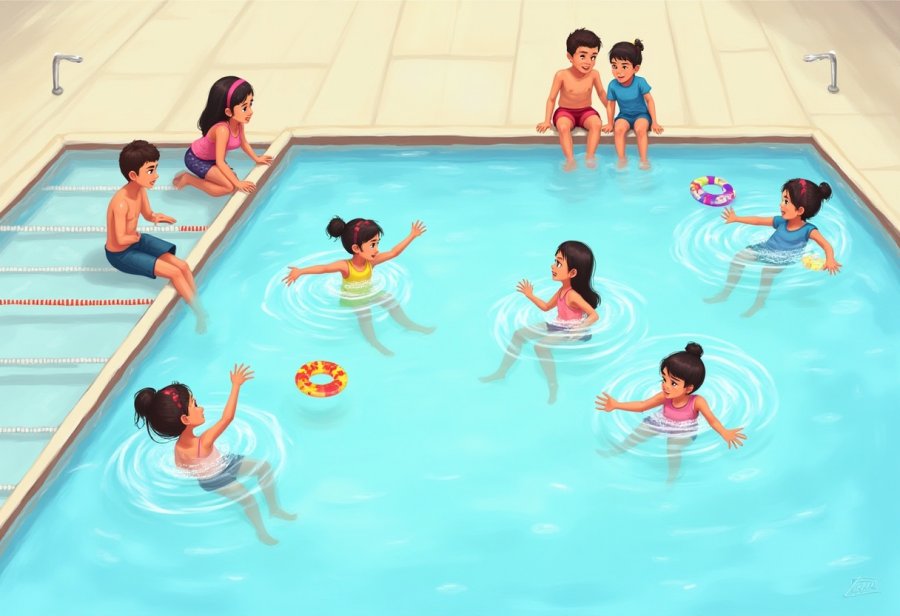
Shaping the Future of Water Safety: Trends, Technology, and Accessibility
The future of swimming and water safety is set to be transformed by a wave of technological innovations and a stronger focus on inclusivity. Wearable devices and waterproof sensors are already providing real-time feedback on technique, heart rate, and safety metrics, helping swimmers improve faster and stay safer. Virtual and augmented reality are emerging as powerful tools for immersive training, allowing learners to simulate real-world water scenarios in a controlled environment. This hands-on approach builds confidence and prepares individuals for actual emergencies with less risk.
Advances in adaptive equipment and personalized teaching methods are making water skills accessible to a broader audience. Specialized goggles, adjustable flotation devices, and assistive technologies are breaking down barriers for people with disabilities, older adults, or those with physical limitations. These innovations are part of a broader movement toward equity in water education, ensuring everyone can enjoy the benefits of swimming. Community initiatives and higher safety standards are working together to reduce drownings and encourage participation across all demographics, fostering a culture of safety and confidence.
Artificial intelligence is also poised to revolutionize swim instruction. AI-powered coaching platforms analyze video footage or monitor performance through sensors, providing instant, tailored feedback. This personalized guidance accelerates learning and makes mastering water safety more approachable. As these tools become more affordable and widespread, they democratize access to high-quality instruction, reaching underserved communities and creating a more inclusive swimming culture. The goal is to make water safety and skills universal, regardless of background or age.
Looking even further ahead, innovations like underwater drones and remote monitoring systems could redefine safety protocols. These devices might patrol swimming areas, detect emergencies automatically, and communicate with rescue teams instantly. Combining data with predictive analytics could help authorities identify risk patterns and prevent accidents before they happen. This shift from reactive rescue to proactive prevention could significantly reduce drownings and elevate safety standards worldwide.
Community-driven efforts, online tutorials, and social campaigns will continue to play a vital role in spreading awareness and fostering water confidence. Digital platforms enable ongoing learning, sharing success stories, and normalizing water safety as a universal right. As technology and community initiatives evolve hand-in-hand, the vision is clear: making swimming and water safety accessible, engaging, and safe for everyone, now and into the future.