Learning to ride a bike marks a profound rite of passage, blending courage, family support, and joy. But does the thrill of independence overshadow the fear of falling? This heartfelt exploration reveals how young riders navigate wobbling steps and tumbles, transforming setbacks into resilience. It emphasizes that mastery isn’t just about balance and pedaling, but about building confidence through patience, encouragement, and shared moments of triumph. As children push forward, they learn vital life lessons—trust, perseverance, and the power of support—that extend beyond the bicycle. With evolving techniques, safety gear, and innovative tools, the journey becomes more accessible and empowering. But amidst progress, the core question remains: how does overcoming fear and embracing risk shape lifelong spirits of adventure? Ultimately, learning to ride isn’t merely a skill—it’s a metaphor for embracing life’s challenges with courage, curiosity, and unwavering support.
The Joy and Growth of Learning to Ride a Bike
Learning to ride a bike is more than just a skill—it’s a milestone filled with emotion, courage, and connection. For kids, taking that first wobbling step onto two wheels often marks a turning point in their confidence and independence. It’s a moment that mixes excitement with a little fear, but one that parents and guardians cherish forever. Watching a child push off, unsure at first, then gradually find their rhythm, captures the essence of growth and perseverance.
This experience isn’t just about balance and pedaling; it’s about shared support and family bonding. Whether a parent jogs alongside, steadying the bike gently, or cheers from a safe distance, those moments create memories that last a lifetime. As children stumble and fall, they learn that setbacks are part of the journey, not the end. Every wobble becomes a lesson in resilience, and every small victory fuels their desire to keep trying.
The act of learning to ride symbolizes more than physical coordination—it’s a step toward independence. When kids realize they can control their movement, navigate obstacles, and ride on their own, they begin to see themselves as capable. That sense of achievement sparks a feeling of freedom, opening doors to new adventures and experiences. It’s this emotional leap—transforming fear into confidence—that makes the journey so meaningful.
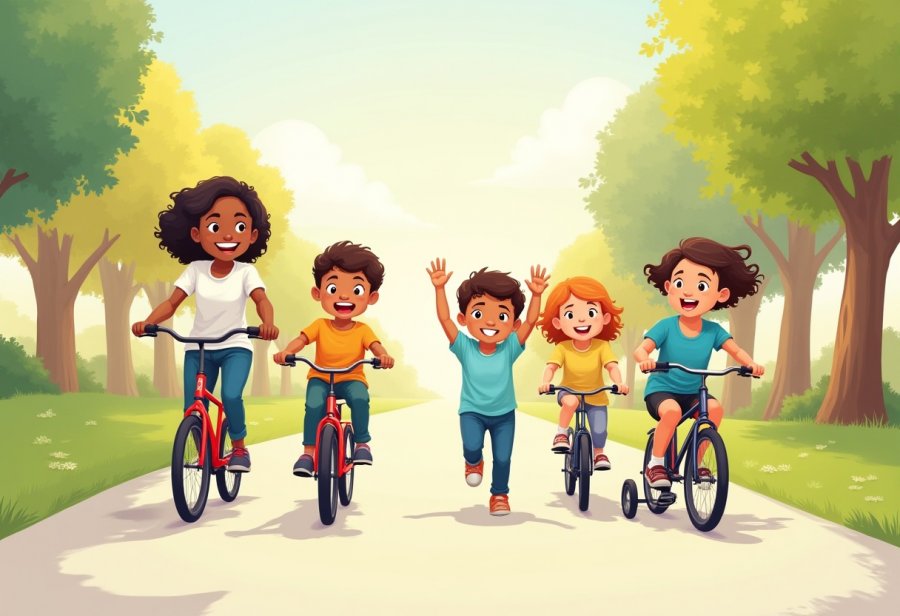
For many children, the first solo ride is a moment of pure joy. Arms raised in triumph, a wide smile spreads across their face as they realize they’ve conquered something once intimidating. Behind that smile lies a newfound trust in themselves and in the support of their family. These are the moments that foster lifelong love for activity, exploration, and overcoming challenges.
Learning to ride also teaches valuable lessons about patience and persistence. It’s normal to wobble, to fall, and to feel uncertain. But through encouragement and practice, children learn that perseverance pays off. The process of mastering balance and coordination becomes a metaphor for life’s challenges—sometimes shaky, but always manageable with support and determination.
This pivotal experience shapes more than just riding skills; it fosters emotional growth. Children discover the importance of trying again after falling, of trusting those around them, and of celebrating progress, no matter how small. It’s a journey that builds resilience, confidence, and a sense of adventure—traits that extend well beyond the bicycle.
In the end, learning to ride a bike is a powerful symbol of growth and connection. It reminds us that the road to independence is paved with wobbling steps and heartfelt encouragement. As children pedal forward, they’re not just learning a skill—they’re embracing a world of possibilities, supported by love and bravery. It’s a moment that captures the very spirit of childhood: courageous, joyful, and full of promise.
Building the Foundations of Bike Riding Success
Learning to ride a bike begins with understanding some basic concepts and techniques that set the stage for success. Starting with balance, pedaling, steering, and braking helps children grasp how the parts work together. Balance is the foundation—keeping the bike steady while moving forward—and it can be practiced on flat, open spaces. Using a balance bike or walking alongside the bike allows kids to focus solely on staying upright without the added challenge of pedaling, building confidence early on.
Once they’re comfortable with balance, pedaling becomes the next step. Smooth, controlled pushes on the pedals help children develop a steady rhythm and momentum. Learning to coordinate their legs with steering and braking creates a fluid riding experience. Proper safety gear, like helmets and pads, should be introduced from the start to foster good habits and protect against falls. Adjusting the bike to fit the rider—such as setting the seat at the right height—further enhances control and comfort.
Mastering balance is often the first hurdle. It’s less about staying perfectly still and more about making small adjustments as the bike moves. Children learn to lean into turns and shift their weight instinctively, which stabilizes the bike. Pedaling naturally supports balance because forward motion helps keep the bike upright. As speed increases, balancing becomes easier, making the ride feel more natural and less effortful.
Understanding how these elements work together makes riding less mysterious and more achievable. Practicing balance exercises before introducing pedaling helps children focus on one skill at a time, reducing frustration. Starting in safe, distraction-free environments—like lawns or empty parking lots—provides the ideal setting for initial attempts. These spaces allow kids to concentrate on fundamentals without the pressure of traffic or obstacles, boosting their confidence.
Breaking the learning process into small, manageable steps keeps progress clear and encouraging. First, children familiarize themselves with sitting on the bike, holding on, and pushing off. Then, support for pedaling is gradually introduced, with your hands guiding them until they feel steady enough to go alone. Each small success builds their confidence, making the next step smoother. Patience is key, as every child learns at their own pace.
Consistent practice in these controlled environments helps reinforce skills. Short, frequent sessions are more effective than long, exhausting efforts, as they prevent frustration and promote steady improvement. Celebrating every achievement, whether it’s a few seconds of balanced riding or a gentle stop, keeps motivation high. Remember, falls and wobbles are normal parts of learning—what matters is their willingness to keep trying and the support they receive.
Safety plays a vital role throughout the process. Ensuring proper gear, a well-fitted bike, and a secure environment helps kids feel safe and eager to practice. Good habits like checking equipment regularly and maintaining a positive attitude toward falls help normalize mistakes and promote resilience. With these preparations, children are more likely to enjoy the journey and develop a lasting love for riding.
Emotional Journeys and Developmental Milestones in Riding
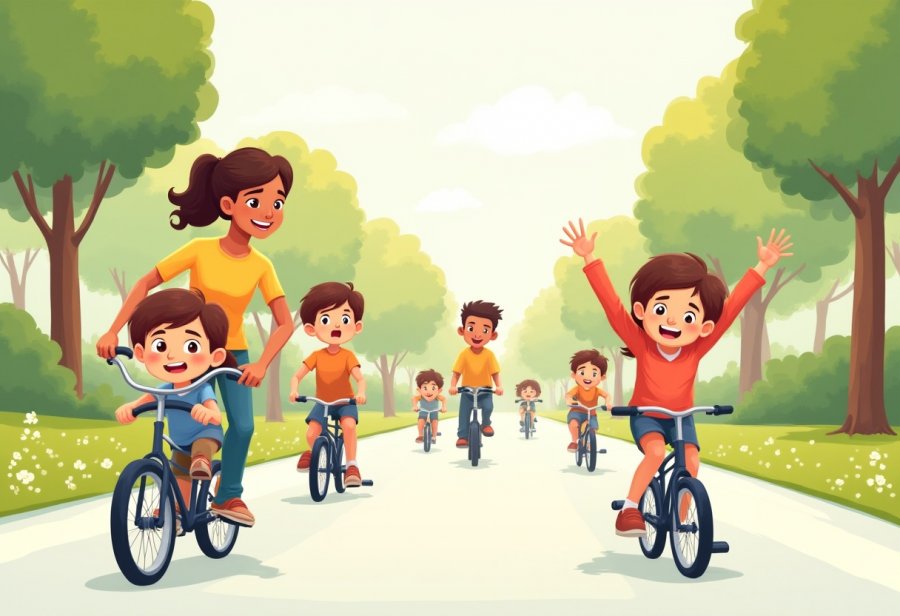
Learning to ride a bike is as much an emotional journey as it is a physical skill. Kids often experience a whirlwind of feelings—excitement when they manage to stay upright, frustration when they wobble or fall, and pride with every small victory. Supporting children through these moments means recognizing that setbacks are natural and part of growth. When they tumble or wobble, it’s not a sign of failure; it’s an opportunity to learn resilience. Praising their effort and persistence helps foster a mindset where falling becomes just another step toward mastery, encouraging them to keep trying despite the challenges.
From a developmental perspective, learning to ride involves building coordination and fine-tuning motor skills. In the beginning, children are figuring out how to control their bodies—leaning, steering, and pedaling—all at once. These skills don’t develop overnight but grow stronger through consistent practice and gentle guidance. Supporting their efforts and celebrating incremental progress, no matter how small, reinforces that effort leads to improvement and boosts their confidence. Recognizing their successes helps them see themselves as capable, fueling motivation to push forward.
Trust plays a crucial role in this process. When parents or guardians hold the bike steady or run alongside, they create a sense of safety that allows children to relax and experiment. This trust helps diminish fears of falling and gives kids the confidence to take risks. The moment when a child pedals independently for the first time often sparks surprise and pride, marking a leap in emotional confidence. It’s about more than just riding; it’s about feeling capable and independent, which fosters a sense of empowerment that can inspire a lifelong love of activity.
Fears of falling are common, especially for new riders. These fears can sometimes overshadow the excitement of mastering a new skill. Breaking down this barrier involves patience and reassurance. Emphasizing that falling is normal and part of learning normalizes the experience and reduces anxiety. Sharing stories of other kids who fell and got back up can motivate resilience. Every stumble is a step toward competence, teaching children that perseverance and a positive attitude matter more than perfection.
As their confidence grows, children begin to see riding as a source of independence. The joy of gliding forward, feeling the wind, and controlling their movement becomes empowering. These emotional milestones not only encourage them to explore new terrains or ride with friends but also help develop resilience and a growth mindset. The more they experience success and support, the more they learn that persistence and patience turn initial wobbling into steady riding, building a foundation for tackling future challenges.
Learning to ride a bike isn’t just about physical skills; it’s about cultivating resilience, trust, and a sense of adventure. Each wobble or fall becomes part of the story, not a setback. When children feel supported and encouraged, they’re more willing to embrace challenges and explore their limits. This experience shapes their confidence and love for activity, leaving lasting lessons about perseverance and courage that extend well beyond the first bike ride.
Transforming Knowledge into Practice: Supporting Young Riders
Teaching a child to ride a bike becomes more effective when you put practical strategies into action. Choosing a safe, open space like a park or empty parking lot provides a distraction-free environment where kids can focus on balancing and pedaling without feeling overwhelmed. These calm settings help children build confidence as they practice fundamental skills step by step.
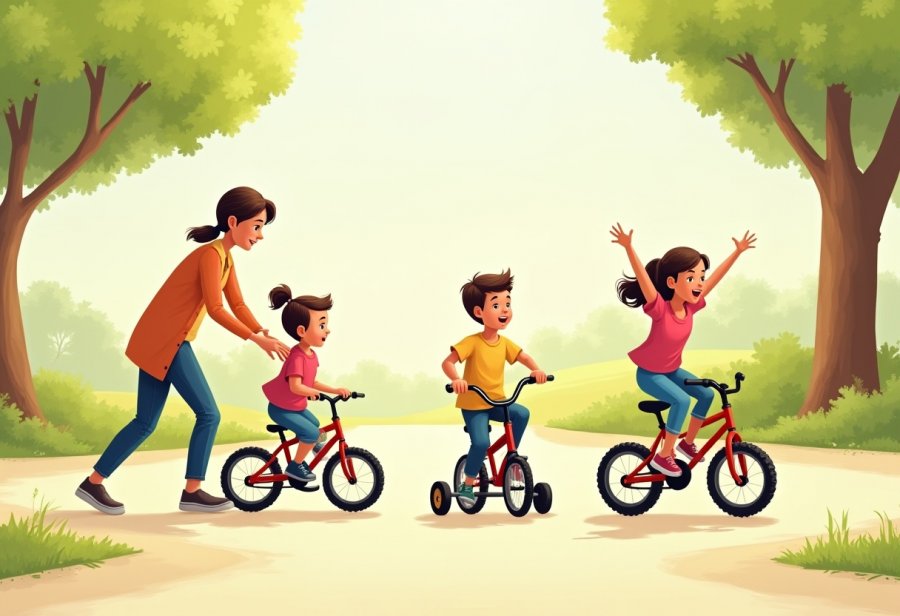
Support is key during the early stages. Hold the back of the bike or the seat gently as your child pushes off and begins to pedal. Your steadying hand offers reassurance, encouraging them to try new movements without fear. As they gain confidence, gradually reduce your physical support, allowing them to ride short distances on their own. Celebrate each effort with specific praise, like “Great job balancing!” or “Nice pedaling!” to reinforce their progress and motivate continued practice.
Ensuring safety is essential for a positive learning experience. Equip your child with a helmet and protective gear from the start. Adjust the bike so it fits comfortably—setting the seat at the right height allows their feet to touch the ground, making balancing and stopping easier. These small details foster a sense of security and help children develop good habits from the beginning.
Breaking the process into manageable steps makes learning less daunting. Begin by familiarizing your child with sitting on the bike, holding on, and pushing off. Once comfortable, introduce support for pedaling and gradually remove it as they balance independently. Focus on one skill at a time to prevent frustration and build confidence steadily. Short, frequent practice sessions are more effective than long, exhausting attempts, allowing skills to solidify without overwhelming them.
Encourage practice in familiar, distraction-free environments like lawns or quiet parks. These safe spaces let children experiment freely, helping them master steering, stopping, and balancing without pressure. Celebrate every small success, whether it’s a few seconds of steady riding or a smooth stop, to keep motivation high and reinforce their sense of achievement.
Remember, falls and wobbling are natural parts of learning. Normalize these moments by emphasizing that mistakes are just stepping stones. Patience and positive reinforcement help children see setbacks as normal and manageable, fostering resilience. The more they experience success and support, the more they’ll associate riding with fun and independence.
As children progress, their confidence grows, and riding becomes a source of joy and autonomy. Supporting their efforts with encouragement and patience turns each ride into an adventure. The goal isn’t just to teach them how to pedal but to cultivate a love for activity and exploration. Creating a positive, supportive environment helps ensure that learning to ride becomes a memorable milestone, setting the foundation for lifelong resilience and curiosity.
Reflecting on Lessons and Embracing the Future of Cycling Education
Learning to ride a bike is more than just acquiring a new skill; it’s a journey that teaches resilience, patience, and the value of support. Every wobble or fall along the way becomes a lesson in perseverance, helping children understand that setbacks are a natural part of growth—not signs of failure. These moments of wobbling or tumbling build emotional strength and confidence, especially when met with encouragement and reassurance from supportive figures.
As cycling education advances, new trends are shaping how children learn and experience riding. Technology, like smart balance bikes with real-time feedback, enhances skill development by helping kids correct their posture and improve balance more efficiently. Virtual reality tools are also emerging, creating immersive environments that make learning less intimidating and more engaging. These innovations aim to boost safety, motivation, and confidence, making the first steps into cycling feel more accessible.
Community programs and school initiatives are increasingly emphasizing not only technical skills but also safety awareness and inclusivity. More children from diverse backgrounds are gaining access to riding opportunities, fostering a sense of belonging and adventure. These efforts highlight that learning to ride is about building confidence and independence while creating shared experiences that strengthen bonds within families and communities.
Advances in equipment, such as lightweight, adjustable bikes and helmets with enhanced safety features, lower barriers for beginners. These improvements make learning more comfortable and reduce fear, allowing children to progress more quickly and with fewer worries. Good gear paired with encouraging teaching helps normalize falls and mistakes, emphasizing that they are just part of the learning process.
Looking ahead, the future of cycling education promises further integration of technology and community-driven support. Sensors and coaching apps could offer personalized guidance, while online tutorials and virtual communities extend learning beyond the initial lessons. This blend of innovation and connection aims to make learning to ride not only more effective but also more inclusive, ensuring every child has the chance to experience the joy of cycling.
Beyond technological advances, there’s a growing recognition that falls and mistakes are vital steps rather than failures. Emphasizing resilience and a growth mindset helps children see challenges as opportunities to learn and improve. When supported in this way, they develop a positive attitude toward setbacks, which fosters confidence not just on the bike but in all areas of life.
Ultimately, learning to ride a bike is about more than physical skill—it’s about cultivating a mindset of persistence, trust, and adventure. When children feel supported and encouraged, they become more willing to face new challenges and explore their potential. This foundation of resilience and curiosity can inspire lifelong love for activity, exploration, and growth.
As we look to the future, the evolution of cycling education will continue to be more innovative, inclusive, and supportive. The goal remains to help children overcome fears, develop independence, and enjoy the freedom that comes with riding. With a combination of technological progress, community engagement, and emotional support, learning to ride will stay a joyful milestone—shaping confident, resilient individuals ready to embrace the world around them.