In a world where communication defines success, the shift towards customizable telephony solutions is revolutionizing how organizations connect and operate. Grandstream leads this charge with innovative devices like the scalable GRP series IP phones, integrated seamlessly through cloud management systems for effortless deployment and management. But as digital voice technology evolves—leveraging AI, 5G, and open standards—are businesses prepared to harness these advancements to boost efficiency and resilience? This guide explores how modern telephony moves beyond traditional systems, offering flexible, scalable, and future-proof networks that adapt to complex workflows and growing demands. From centralized control to intelligent call routing, these solutions reduce costs, streamline operations, and support remote and hybrid work models. Yet, the real question remains: can your network keep pace with technological innovation? Embracing these cutting-edge systems isn’t just a strategic move—it’s essential for staying ahead in a competitive landscape driven by rapid change and relentless evolution.
Personalized Telephony: The Key to Business Success
In today’s fast-moving business world, effective communication isn’t just a convenience—it’s a vital driver of success. As organizations expand and explore new markets, their communication needs become more complex and demanding. Off-the-shelf systems often fall short, leaving teams wishing for solutions that can be tailored to their specific workflows and team structures. That’s where customizable telephony solutions come in, offering a flexible approach that grows and adapts alongside your business.
Moving beyond traditional landlines, modern telephony now relies on internet-based systems that can be tailored to fit unique organizational needs. Whether it’s call routing, device management, or user interfaces, customization helps streamline operations and enhances user experiences. This level of flexibility reduces technical hiccups, boosts efficiency, and ensures smoother interactions for both employees and customers alike. It’s about making communication work better for everyone involved.
Adopting personalized communication systems isn’t just about convenience; it’s a strategic advantage. These solutions support remote work, multi-site operations, and rapid scaling, keeping everyone connected regardless of location. Features like intelligent call routing ensure calls reach the right person every time, while centralized management simplifies setup and troubleshooting. By investing in adaptable, scalable systems, businesses can respond faster, serve customers more effectively, and stay ahead in a competitive landscape.
Implementing these solutions is easier than ever, thanks to cloud management platforms. Centralized control means IT teams can configure, monitor, and update hundreds or thousands of devices remotely, saving time and reducing errors. As your organization evolves, your telephony infrastructure can do the same—quickly and seamlessly—without costly hardware upgrades or complex reconfigurations. This agility is key to maintaining operational resilience and supporting ongoing growth.
Understanding the importance of flexibility in communication systems sets the stage for exploring the core technologies behind modern telephony. From digital PBX systems to VoIP and open standards like SIP, these innovations form the foundation of scalable, customizable networks. As we delve deeper, it’s clear that the future of business communication lies in systems designed to be as adaptable as the organizations they serve.
From Analog to Cloud: The Evolution of Telephony Technology
Telephony technology has come a long way since the days of simple analog landlines relying on copper wires. Those early systems were reliable but offered limited flexibility, making upgrades slow and costly. As digital technology advanced, businesses transitioned to digital Private Branch Exchange (PBX) systems. While more reliable, these still depended heavily on hardware and manual maintenance, creating bottlenecks for organizations seeking agility.
The advent of Voice over Internet Protocol (VoIP) revolutionized telephony by transmitting voice calls over the internet. This shift drastically reduced costs and enabled more flexible configurations, allowing companies to add lines, support remote workers, and integrate voice with digital tools seamlessly. VoIP laid the groundwork for highly customizable systems tailored to specific business needs, enabling scalable and adaptable communication networks.
Cloud management platforms further transformed telephony by centralizing control. Instead of configuring devices individually, administrators gained the ability to manage hundreds or thousands of endpoints remotely through a single interface. This approach accelerates deployment, simplifies updates, and streamlines troubleshooting, allowing organizations to respond swiftly to changing demands without disruptions or costly hardware upgrades.
Open standards like SIP (Session Initiation Protocol) have become the backbone of modern telephony, ensuring interoperability across diverse devices and vendors. This flexibility allows organizations to build multi-vendor environments that meet precise operational requirements without vendor lock-in. It also provides room for future upgrades and integrations, supporting evolving technology landscapes.
Devices such as IP phones, gateways, and cloud-based management platforms now work together to create dynamic, scalable systems. These tools enable businesses to design communication networks that can grow alongside their operations. Whether supporting a small team or a large enterprise, this infrastructure offers the versatility needed to adapt quickly to new workflows and technology trends.
Understanding these foundational elements highlights how telephony moved from basic analog lines to sophisticated, internet-based networks. This evolution has provided the flexibility and scalability necessary for today’s customizable communication solutions. By leveraging digital, cloud-managed, and standards-based systems, organizations can craft resilient networks that serve their unique needs now and into the future.

Innovating Communication: Cutting-Edge Trends in Telephony
The landscape of telephony is evolving rapidly, driven by technological innovations that are fundamentally transforming how we communicate. Cloud-based solutions are leading the charge, making deployment, management, and scaling simpler than ever. Organizations can now add users and features almost instantly, reducing costs and increasing agility. This shift ensures that businesses remain responsive to growth and market shifts, with minimal disruption and maximum flexibility.
Artificial intelligence is increasingly embedded into communication systems, elevating customer service and internal workflows. AI-powered call analytics provide valuable insights into caller behavior, common issues, and service levels, enabling smarter, data-driven decisions. Virtual assistants and chatbots handle routine inquiries efficiently, providing instant support and freeing up staff to focus on more complex tasks. These tools not only enhance the customer experience but also streamline operations across the board.
The integration of voice, video, and messaging into unified platforms is reshaping teamwork. Instead of relying solely on traditional calls, teams now leverage collaboration tools that support remote work, hybrid meetings, and real-time information sharing. This seamless blending of communication channels simplifies workflows, keeps everyone connected regardless of location, and fosters a more responsive, agile work environment. As a result, organizations can adapt quickly to changing circumstances and keep their operations running smoothly.
Emerging network technologies like 5G and SD-WAN further boost telephony capabilities by providing higher bandwidth, lower latency, and more reliable connections. These advancements ensure high-quality voice and video calls even in bandwidth-constrained or remote environments. This is essential as remote and mobile work become standard, allowing organizations to maintain consistent, high-performance communication no matter where their teams are located.
Device innovation is also key to this evolution. New IP phones and gateways are designed for scalability and ease of management, supporting large deployments with minimal effort. Solutions like Grandstream’s enable centralized control, allowing organizations to configure, monitor, and update hundreds or thousands of endpoints effortlessly. This flexibility facilitates expansion and upgrades without sacrificing performance or control, ensuring the network remains resilient and adaptable.
These technological advances aren’t just improving features—they’re creating smarter, more responsive communication networks. They help businesses break down traditional barriers, delivering more reliable, personalized, and efficient interactions. As these trends continue to grow, companies that embrace them will gain a competitive edge, building communication systems that are not only future-proof but also integral to operational success.
Grandstream’s Role in Shaping Future-Ready Telephony Networks
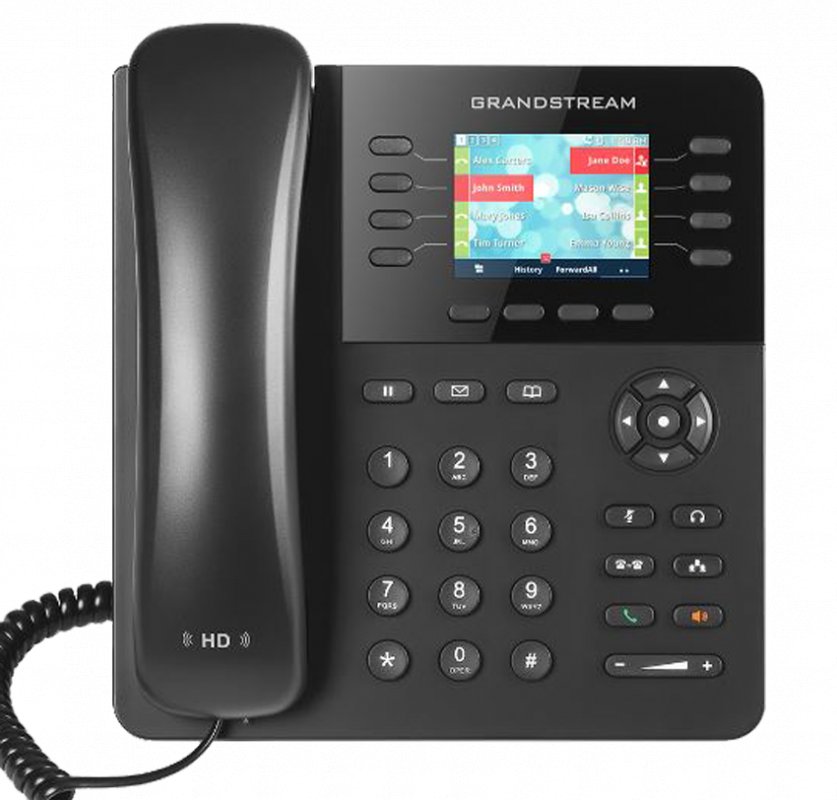
Grandstream stands at the forefront of telephony innovation, offering a wide range of devices and solutions designed to support flexible, scalable, and efficient communication networks. Their IP phones, particularly the GRP series, are built for large-scale deployment, featuring high-definition audio, programmable keys, and seamless integration with cloud management systems. These devices enable organizations to deploy and manage hundreds or even thousands of endpoints effortlessly from a single, centralized platform, significantly simplifying both setup and ongoing maintenance.
Beyond IP phones, Grandstream provides gateways and networking solutions that bridge traditional telephony infrastructure with modern VoIP systems. This interoperability allows businesses to migrate gradually—maintaining legacy landlines while transitioning to IP-based communication—without sacrificing reliability or incurring unnecessary costs. Such hybrid setups are ideal for organizations seeking a future-proof yet flexible approach to their telephony infrastructure.
Centralized management tools like GDMS elevate efficiency further by allowing remote configuration, monitoring, and troubleshooting of all devices within the network. This cloud-based platform reduces the need for manual interventions, accelerates deployment, and minimizes errors—especially valuable for multi-location enterprises or rapidly growing businesses. With streamlined control, organizations can adapt their communication systems quickly to new requirements or scale without disruption.
Customization is a cornerstone of Grandstream’s offerings. Businesses can tailor call routing, device interfaces, and user settings to match specific workflows. Whether supporting remote teams, integrating with customer relationship management platforms, or securing private communications, these flexible configurations ensure the network aligns precisely with operational needs. This adaptability enhances overall productivity and responsiveness.
Grandstream’s commitment to technological compatibility ensures their devices support the latest standards, including AI analytics, high-speed 5G networks, and SD-WAN solutions. This compatibility guarantees high call quality, low latency, and reliable connections—even in bandwidth-challenged environments—making remote and distributed work more seamless and dependable.
Open standards like SIP underpin Grandstream’s approach, offering organizations the freedom to mix and match hardware and software from different vendors. This openness prevents vendor lock-in and fosters a customized, resilient ecosystem that evolves with technological advances. Such flexibility is vital for future-proofing investments and ensuring continuous innovation.
In sum, Grandstream’s devices and solutions form a robust backbone for building customized, scalable, and efficient communication networks. Their focus on centralized management, interoperability, and innovative features empowers organizations to deploy telephony systems that are not only reliable today but also adaptable for tomorrow’s challenges. With Grandstream, businesses can unlock smarter, more responsive communication—driving growth and operational excellence.

Future-Proof Your Business: Embracing Scalable, Customizable Communication Solutions
Embracing customizable telephony solutions positions your business for sustained growth and agility in an ever-evolving landscape. Modern communication systems are no longer just tools for basic connectivity—they are strategic assets that support innovation, scalability, and resilience. By investing in flexible, scalable infrastructure, organizations can quickly adapt to new opportunities, market shifts, and operational demands, maintaining a competitive edge with minimal disruption.
Devices like Grandstream’s IP phones and gateways, paired with cloud management platforms, simplify deployment and ongoing management. This combination reduces downtime, cuts costs, and streamlines the process of adding users or expanding to new locations. A future-proof system designed for growth allows your team to focus on core activities rather than troubleshooting hardware or software issues, fostering greater productivity and confidence in your communication network.
The trend toward intelligent, cloud-managed telephony transforms how businesses operate. Features such as remote configuration, mass provisioning, and centralized control enable rapid adaptation—supporting hybrid work models, new applications, and expansion efforts. This level of flexibility is crucial for building resilience, ensuring your communication remains reliable, secure, and responsive regardless of external changes or internal growth.
Looking ahead, innovations like AI-driven analytics and the widespread rollout of 5G will further elevate telephony capabilities. These advancements promise smarter call management, richer customer interactions, and seamless remote connectivity. By integrating these technologies into scalable, customizable systems, organizations can future-proof their networks, allowing for continuous evolution without the need for complete overhauls.
Choosing to adopt these innovative solutions also means avoiding vendor lock-in, thanks to open standards like SIP. This freedom enables you to assemble a tailored ecosystem of hardware and software that best fits your needs, ensuring your communication infrastructure can evolve alongside your business. Such flexibility is key to maintaining agility and fostering ongoing innovation.
In an environment increasingly reliant on integrated, cloud-based platforms, adaptable communication systems are more vital than ever. They streamline operations, enhance customer experiences, and support remote work—elements essential for resilience in today’s unpredictable world. Investing now in future-ready telephony sets the stage for long-term success, helping your organization stay ahead of the curve.
Getting started with these solutions today unlocks your team’s full potential. A scalable, customizable network not only supports growth but also empowers your workforce to operate more efficiently and confidently. The future of business communication is flexible, intelligent, and built to adapt—making now the perfect moment to embrace the systems that will drive your ongoing success.