Step into the roaring world of 1970s American muscle cars with the Chevrolet SS, a symbol of raw power and bold style. From the thunderous roar of the 454-cubic-inch V8 to the eye-catching Hugger Orange paint, these vehicles epitomized rebellion, freedom, and innovation. But what made these cars timeless icons? Was it their engineering prowess, their rebellious cultural symbolism, or the enduring community of enthusiasts dedicated to preserving their legacy? As the muscle car era waned due to rising regulations, the spirit of these vehicles persisted, fueling modern restorations and collector passions. Today, the legacy continues through vibrant communities, high-profile auctions, and technological advancements that blend authenticity with innovation. Can these classics maintain their fierce spirit in a future driven by electric performance and digital design? Or will they forever be treasured relics of a bold, golden age of American automotive daring? Their story remains a compelling testament to American ingenuity and rebellious attitude.
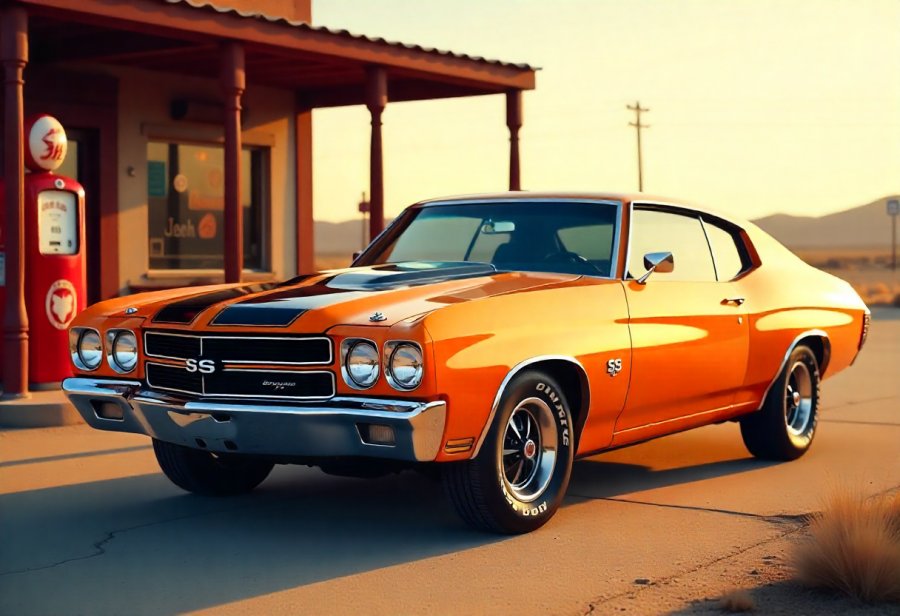
The Bold Spirit of the 1970s Chevrolet SS: An Iconic Muscle Car
The 1970s Chevrolet SS stands as a vivid symbol of muscle car nostalgia, capturing the bold spirit of an era when American performance cars commanded attention and respect. These vehicles weren’t just modes of transportation; they were rolling expressions of rebellion and style, designed to turn heads and make a statement. With their aggressive lines, muscular contours, and vibrant colors, Chevrolet’s muscle cars from this decade became icons that still evoke admiration decades later.
What set these cars apart was their perfect blend of eye-catching design and engineering muscle. The Chevelle SS 454, for example, boasted a massive 454-cubic-inch V8 engine capable of producing up to 450 horsepower. This kind of power translated into thunderous acceleration and a visceral driving experience that enthusiasts chase to this day. Period-correct paint jobs like Hugger Orange and Rally Green, along with racing stripes and chrome accents, reinforced their commanding presence on the road.
Beyond their technical prowess, these models became cultural symbols. They represented freedom, youth, and a desire to stand out from the crowd. Their badges, racing stripes, and bold styling echoed a rebellious attitude that resonated through movies, music, and media of the time. These cars weren’t just vehicles—they were statements of identity, embodying a time when American muscle ruled the streets and captured the imagination of a generation.
Today, the legacy of the 1970s Chevrolet SS lives on through restored classics and passionate communities. Car shows, auctions, and online forums keep the flame alive, celebrating their historical significance and performance credentials. Restorers work tirelessly to preserve their authenticity, knowing each restored vehicle is a piece of automotive history. This ongoing dedication ensures that the roar of the muscle car era continues to inspire new generations and keep the rebellious spirit alive.
Owning or driving a Chevrolet SS from this period isn’t just about nostalgia; it’s about connecting with a pivotal chapter in American automotive history. Every detail, from the engine’s growl to the period-correct paint, tells a story of innovation and power. These cars serve as rolling time capsules, capturing the essence of an age when muscle cars reigned supreme and performance was king. Their timeless appeal keeps the legacy of American horsepower alive, ensuring the roaring spirit of the 1970s muscle car era remains vibrant today.
Muscle Car Origins: The 1960s Boom and the Birth of the Chevrolet SS
The rise of muscle cars in the 1960s marked a pivotal shift in American automotive culture, emphasizing performance, bold styling, and a desire for excitement over mere transportation. Automakers started crafting vehicles that appealed to younger drivers seeking adrenaline and a sense of individuality. These cars weren’t just about speed; they became symbols of rebellion, with oversized engines and aggressive looks that turned heads wherever they went. Models like the Pontiac GTO and Ford Mustang set the stage, introducing a new era where horsepower and personality reigned supreme.
By the early 1970s, muscle cars had cemented their place as icons of youthful freedom and defiance. Chevrolet responded with models like the Chevelle SS 454, which pushed the boundaries of performance with its massive 454-cubic-inch V8 engine. Capable of producing up to 450 horsepower, it delivered raw power and thunderous acceleration that made it a legend on the streets. Its muscular body, racing stripes, and vibrant colors like Hugger Orange made it stand out, fueling its reputation both in pop culture and among enthusiasts.
Technological advances during this era played a key role in boosting performance. Manufacturers focused on creating engines that offered deep, resonant exhaust notes and impressive horsepower, while design elements emphasized muscular curves and wide stances that communicated strength visually. The muscle car craze gained momentum not just from engineering feats but also through media influence—movies, music, and magazines celebrated these vehicles, elevating them from simple transportation to cultural icons embodying American ingenuity and rebellion.
However, the golden age of muscle cars faced challenges. Rising insurance premiums, stricter safety regulations, and increasing environmental concerns in the early 1970s led to performance cuts and reduced production. Despite these hurdles, the cultural impact persisted. The standards set during this time influenced future models, and the passion for restoring and collecting muscle cars grew stronger. Enthusiasts and collectors kept the legacy alive, ensuring these powerful machines remained symbols of a dynamic and innovative American spirit.
The roots of the Chevrolet SS and similar models are deeply intertwined with this performance-driven era. They emerged as high-performance variants designed to capture the youthful energy and rebellious attitude of their time. Combining bold aesthetics with engineering prowess, these cars became more than transportation; they became symbols of freedom and innovation. Their legacy reflects a period when American muscle cars pushed limits and set standards that still inspire today.
Understanding this historical context helps us grasp why the Chevrolet SS remains so iconic. It’s a direct product of the muscle car boom—embodying the rebellious attitude, bold design, and engineering excellence that defined a pivotal chapter in American automotive history. These cars symbolize a time when performance and style went hand in hand, leaving a lasting impression on car culture and enthusiasts worldwide.
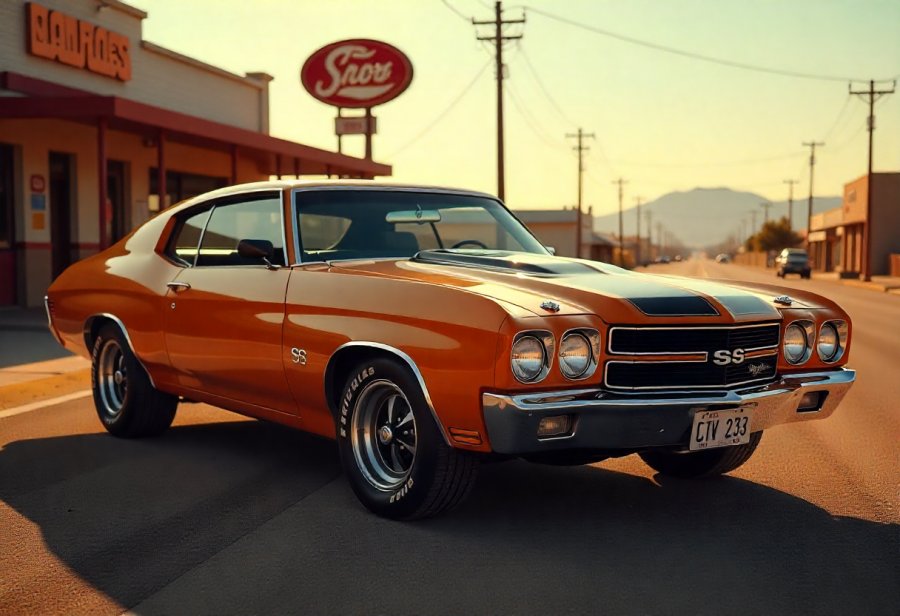
Preserving the Legend: The Vibrant Life of Classic Muscle Cars Today
Today, the legacy of the Chevrolet SS and other 1970s muscle cars remains as vibrant as ever among collectors and enthusiasts. These vehicles are celebrated not just for their nostalgic appeal but for their enduring significance in automotive history and their impressive performance credentials. Car shows and high-profile auctions regularly spotlight these models, drawing crowds eager to see them restored to their original glory. Rarity and authenticity continue to drive up their value, making well-preserved or restored examples highly sought after in the collector’s market.
The cultural relevance of these muscle cars persists through movies, music, and social media. They continue to inspire new generations who see them as symbols of American horsepower and rebellious spirit. Online communities share restoration tips, stories, and showcase projects, creating a global network of passionate fans dedicated to preserving and celebrating these icons. This ongoing enthusiasm keeps the muscle car’s place in automotive culture alive and relevant, fostering a sense of shared identity rooted in performance and style.
Restoring a classic like the Chevrolet SS isn’t just about aesthetics; it’s about safeguarding a piece of history. Enthusiasts dedicate time and resources to sourcing original parts and maintaining these cars in top condition. Period-correct engine tuning, bodywork, and detailing are standard practices that help keep these vehicles drivable and true to their roots. Sharing restoration journeys at shows or online builds a community of like-minded individuals and inspires others to take up the mantle of preservation.
Many owners are now blending vintage style with modern technology. Upgrading suspensions, installing contemporary infotainment systems, or refreshing paintwork breathes new life into these classics. Digital tools like 3D modeling streamline planning and execution, ensuring authenticity while allowing for personalized touches. These innovations enable enthusiasts to enjoy their cars daily without compromising their historical integrity, keeping the legacy dynamic and engaging.
Authenticity remains a core focus for preservation. Sourcing period-correct parts and meticulously documenting each restoration step ensures that these vehicles retain their original character. Balancing performance upgrades with original design elements preserves the spirit of the muscle car era. Connecting with experienced restorers and participating in workshops or forums provides valuable insights, helping owners maintain the integrity of their vehicles.
Community-driven events such as local meetups, cruise-ins, and car shows continue to foster a shared passion. These gatherings allow enthusiasts to learn, display their work, and exchange ideas about restoration and maintenance. The high prices achieved at auctions and the steady influx of restored models into private collections reflect the ongoing demand and respect for these cars. Each well-maintained or restored muscle car acts as a rolling tribute to the era when American muscle reigned supreme.
Overall, the current landscape demonstrates a dedicated and passionate community committed to preserving and celebrating these legendary vehicles. Their presence at events, online forums, and private collections underscores their importance as cultural artifacts. Through continuous restoration efforts and shared knowledge, enthusiasts ensure that the roaring spirit of the muscle car era remains alive, inspiring future generations to appreciate these icons of American automotive history.
Connecting Passion: Strategies to Engage with the Muscle Car Legacy
Connecting with the legacy of the Chevrolet SS and other muscle cars from the 1970s becomes much more rewarding when you actively immerse yourself in the community and culture surrounding these vehicles. Joining local car clubs or muscle car meetups offers a great starting point. These gatherings bring enthusiasts together to share restoration tips, swap stories, and celebrate the history of these iconic cars. Being part of a community fosters a deeper appreciation and makes the experience more personal, turning ownership into a shared passion.
Attending car shows and auctions allows you to see authentic models up close, appreciating the craftsmanship and design details that define the muscle car era. These events often feature expert talks and demonstrations on restoration techniques, providing valuable insights whether you’re restoring your own vehicle or simply learning more. The energy and enthusiasm at these gatherings can be contagious, inspiring new ideas and fueling your passion to keep these legends alive.
Social media platforms are powerful tools for connecting with a global network of muscle car fans. Sharing photos of your project, asking questions, or participating in online forums can spark conversations and offer support from enthusiasts worldwide. These digital spaces not only keep the passion alive but also provide a wealth of resources—such as sourcing parts, technical advice, and restoration stories—that you can tap into whenever needed.
Learning more about muscle cars through books, documentaries, and podcasts deepens your understanding and strengthens your connection. Gaining knowledge about their history, engineering, and the stories behind these cars helps you appreciate their significance beyond just their looks. This background can also help you make informed decisions when sourcing parts or planning restorations, ensuring your involvement remains authentic and meaningful.
Restoration and maintenance are key to truly connecting with these cars. Sourcing original or period-correct parts, whether from specialized dealers or online marketplaces, preserves authenticity. Regular upkeep—engine tuning, bodywork, and detailing—not only keeps your vehicle in top condition but also reinforces your bond with it. Sharing your progress online or at local shows can foster a sense of community and inspire others to get involved in preservation efforts.
Perhaps most importantly, respecting the authenticity of your vehicle is essential. Carefully documenting each step of your restoration, choosing period-correct parts, and blending modern upgrades thoughtfully help maintain the car’s original spirit while making it suitable for everyday driving. Connecting with experienced restorers through workshops and forums offers valuable advice, ensuring your project honors the legacy of these iconic muscle cars. Engaging actively in these ways keeps the muscle car spirit vibrant, making the experience both rewarding and enduring.
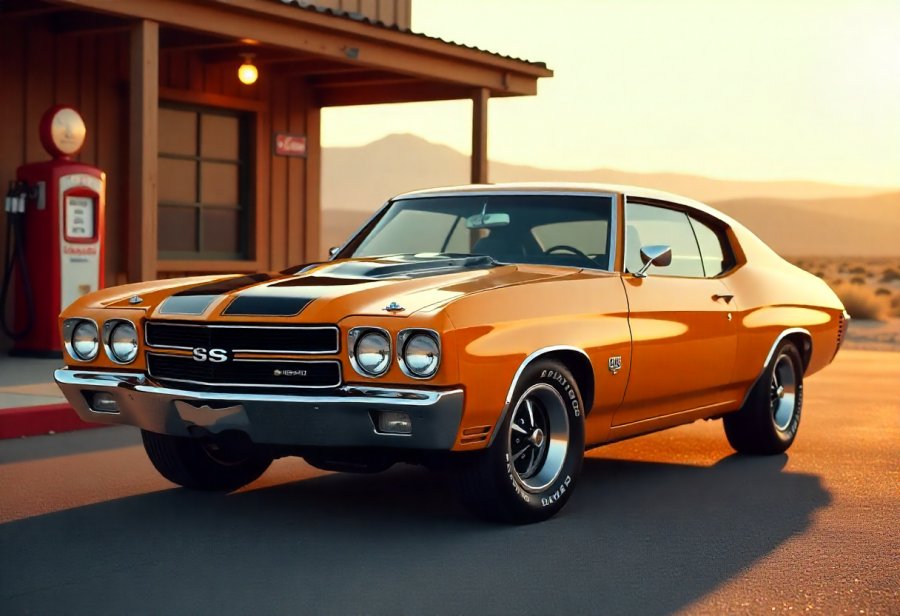
Looking Forward: The Future of Muscle Car Heritage and Innovation
The story of the 1970s Chevrolet SS and its muscle car peers continues to echo today, reminding us of a time when American performance and style reached new heights. These cars stand as more than just symbols of horsepower; they embody a rebellious spirit, a relentless pursuit of innovation, and a pride that still energizes enthusiast communities. Preserving this legacy is about more than nostalgia—it’s about safeguarding a vital chapter of automotive history that helped define an entire era of American ingenuity and boldness.
Looking ahead, the future of muscle car heritage will likely blend tradition with technological innovation. While the raw power and striking design of the Chevrolet SS remain iconic, advances like electric drivetrains offer both challenges and opportunities. They promise cleaner, more efficient performance without sacrificing the attitude that made muscle cars legendary. Digital tools such as 3D modeling and virtual reality are transforming restorations, allowing enthusiasts to plan and execute projects with remarkable precision, ensuring authenticity while enabling personal touches.
Community efforts play a crucial role in safeguarding this heritage. Car clubs, shows, and online forums foster a shared sense of purpose, encouraging owners to restore, showcase, and pass down knowledge. High-profile auctions and media coverage elevate their status, reinforcing their cultural and monetary value. Every well-maintained or restored muscle car becomes a moving tribute to a golden age of American automotive innovation, inspiring new generations to appreciate their significance.
Yet, challenges remain. Sourcing original parts can be difficult, and environmental regulations sometimes complicate restoration efforts. The costs involved in maintaining authenticity and performance can be substantial, potentially discouraging some enthusiasts. Nevertheless, the collective dedication of restorers and fans keeps the spirit alive. Their efforts ensure these icons remain relevant and admired, proving that the rebellious attitude and engineering excellence of the muscle car era continue to inspire.
The ongoing evolution of muscle car culture will undoubtedly see a balance between honoring past achievements and embracing future technologies. Customization and digital planning tools allow owners to refresh these classics while respecting their original design. This approach keeps the legacy vibrant, ensuring that each car remains a reflection of a bold, innovative spirit that continues to captivate and inspire.
Ultimately, the future of the Chevrolet SS and similar models depends on passionate communities committed to preservation and innovation. Through shared knowledge, dedicated restoration, and a love for performance, these cars will keep roaring into the future. They serve as living symbols of American resilience and creativity, reminding us that the rebellious, trailblazing spirit of muscle cars is alive and well—ready to inspire new generations to celebrate their timeless legacy.