Cleopatra VII is often remembered for her beauty and legendary romances, but her true legacy lies in her brilliant mind, strategic diplomacy, and resilience. How did this Egyptian ruler, of Macedonian Greek heritage, harness her intelligence and cultural insight to navigate a tumultuous era dominated by Roman expansion? Far from a mere seductress, Cleopatra was a scholar-queen who mastered multiple languages, fostered alliances with Rome’s top leaders, and patronized the Library of Alexandria. Her leadership was rooted in wisdom, adaptability, and a deep understanding of her people’s beliefs—blending Egyptian tradition with Hellenistic sophistication. Her influence extended beyond her reign, challenging perceptions of gender, power, and effective leadership. Is her enduring story a testament that true power resides in the strength of the mind and the courage to lead? Cleopatra’s legacy invites us to rethink what it means to be a formidable, authentic leader—one whose influence is rooted in intellect as much as politics.
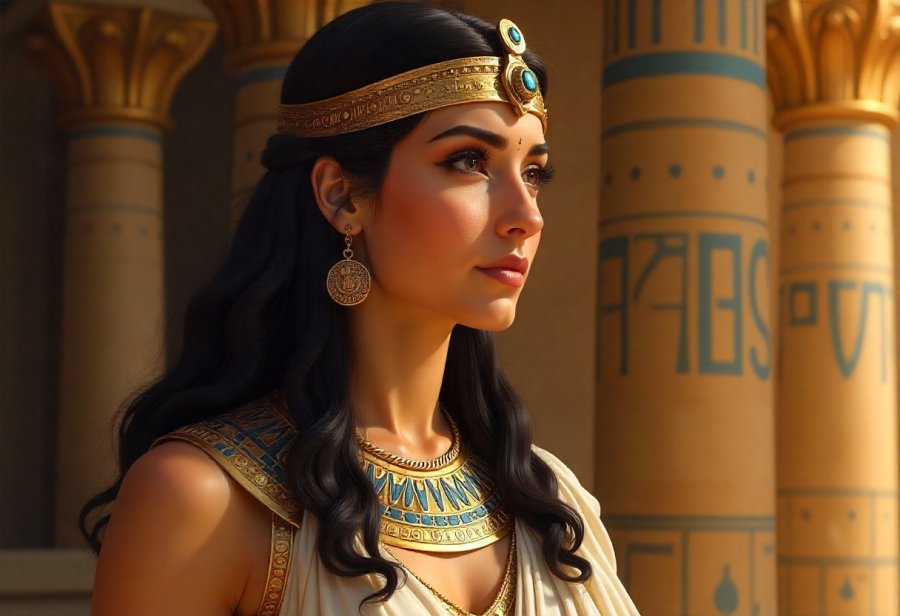
Unveiling Cleopatra: Beyond Beauty to Strategic Genius
Cleopatra VII is often remembered for her beauty and the dramatic romances that have captured popular imagination. But her true legacy goes far beyond Hollywood’s glamour. She was a highly intelligent and strategic ruler, known for her sharp political mind, diplomatic skill, and scholarly pursuits. As Egypt’s last pharaoh, Cleopatra faced a turbulent era marked by Roman expansion, yet she worked tirelessly to preserve her kingdom’s independence through wit and resilience.
Her leadership was rooted in her knowledge, multilingual abilities, and talent for forging powerful alliances. She understood that influence came not just from titles or appearances but from the ability to adapt, think critically, and command loyalty. Cleopatra’s strength was her mind—her capacity to navigate complex political landscapes and her understanding of cultural nuances made her a formidable figure in history.
Far from being merely a seductress or woman defined by her relationships, Cleopatra was a master strategist and diplomat. She valued education, patronized the Library of Alexandria, and engaged with scholars, philosophers, and scientists. Her fluency in Egyptian, Greek, Latin, and other languages allowed her to communicate directly with foreign leaders and scholars, strengthening her diplomatic position and showcasing her intellectual prowess.
Her story challenges us to see leadership as more than superficial charm. Cleopatra’s ability to think ahead, adapt to changing circumstances, and inspire loyalty through her intelligence and resilience set her apart. Her leadership was about leveraging her knowledge and cultural insight to secure her reign in a world where many rulers faltered. She demonstrated that true influence stems from mental agility, strategic thinking, and the courage to navigate chaos with clarity.
Ultimately, Cleopatra’s legacy reminds us that the power of the mind can shape history. She was a scholar-queen who understood that wisdom, resilience, and strategic mastery are vital tools for effective leadership. Her story continues to inspire conversations about gender, influence, and the qualities that define a true leader—an enduring testament to the idea that greatness often begins in the mind.
Roots of Power: Cleopatra’s Macedonian Heritage and Early Life
Cleopatra VII’s roots trace back to the Macedonian Greek rulers of the Ptolemaic dynasty, established in Egypt after Alexander the Great’s conquest. Born around 69 BCE in Alexandria, she grew up amid a court rife with political intrigue and rivalries, where power struggles among family members were common. Her early years immersed her in a world that highly valued rhetoric, diplomacy, and scholarship—skills that would later define her leadership style.
Her family’s rule was a blend of Greek traditions and native Egyptian culture, creating a unique cultural environment that shaped her worldview. Cleopatra received an extensive education, becoming fluent in multiple languages including Greek, Egyptian, Latin, and others. This linguistic ability set her apart in diplomatic circles, allowing her to communicate directly with foreign leaders and scholars and to navigate complex political landscapes with ease. She also familiarized herself with Egyptian religious practices, blending her Greek heritage with indigenous traditions to bolster her legitimacy.
Before ascending to the throne, Egypt was a wealthy but fractured kingdom. Internal factions vied for control, and the ruling Ptolemies prioritized Greek customs and governance, often neglecting native Egyptian traditions. This created tension within society, making stability elusive. Her father, Ptolemy XII, faced external pressures from Rome and neighboring states, further destabilizing the political scene. Growing up amidst these challenges, Cleopatra learned early how to maneuver through power struggles and forge strategic alliances.
Her rise to power was anything but straightforward. After her father’s death, rival family members challenged her claim, prompting her to act swiftly. Demonstrating sharp political instincts, she allied with Julius Caesar, which helped her regain her throne and secure her position. Her education, multilingual skills, and understanding of Egyptian religious symbols became vital tools in presenting herself as both a divine figure and a capable ruler, blending Greek sophistication with native authority.
These early experiences rooted Cleopatra in a world of hybridity and political complexity. Her ability to adapt and lead through chaos was evident from the start, laying the groundwork for her later mastery of diplomacy and leadership. Her resilience and strategic mindset were shaped by a childhood and youth spent navigating a fractured kingdom, preparing her for the turbulent challenges of her reign.
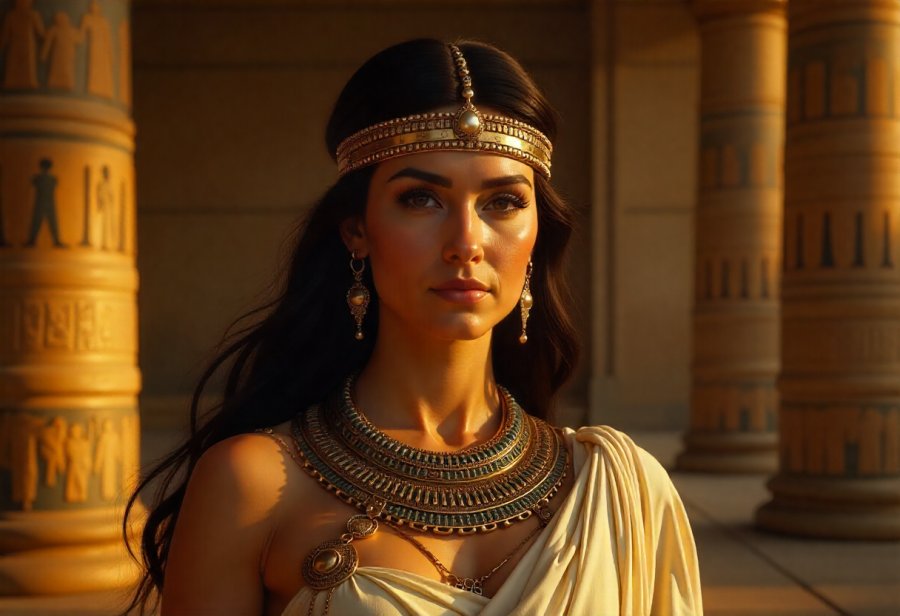
Mastermind in Leadership: Cleopatra’s Intellectual and Diplomatic Excellence
Cleopatra’s intelligence and diplomatic finesse formed the backbone of her ability to lead Egypt through one of its most tumultuous periods. Fluent in multiple languages—Egyptian, Greek, Latin, and others—she could communicate directly with foreign rulers and scholars, which gave her a notable edge in negotiations. This linguistic versatility allowed her to convey her messages with nuance, ensuring her diplomatic efforts were both precise and impactful. Instead of relying on intermediaries, Cleopatra’s direct communication helped her craft alliances and navigate complex cultural landscapes with confidence.
Her scholarly pursuits extended well beyond language. Cleopatra was deeply engaged with philosophy, science, and literature, fueling her broad worldview and sharpening her strategic thinking. This intellectual curiosity enabled her to see regional politics through a multifaceted lens, recognizing how cultural differences could be turned into diplomatic advantages. Her understanding of Egyptian religious practices and symbols helped her forge a unique identity—one that blended her Greek heritage with native traditions—making her both a divine figure and a relatable ruler to her diverse subjects.
Her diplomatic skill was especially evident in her relationships with Rome’s most influential figures, such as Julius Caesar and Mark Antony. These alliances were carefully calculated, serving strategic purposes rather than mere personal attachments. Cleopatra understood that perception was key to power, and she used symbolism, rituals, and propaganda—like coins depicting her as a goddess—to bolster her image. This cultivated perception of divine authority helped her maintain loyalty at home and project strength abroad.
Strategically, Cleopatra knew when to assert herself and when to negotiate. Her decision to ally with Julius Caesar in 48 BCE was a masterstroke, helping her reclaim her throne amidst internal rivals. Later, her partnership with Mark Antony exemplified her adaptability, turning personal ties into political leverage. She was a keen judge of character, recognizing trustworthy allies and knowing when to exert influence behind the scenes to secure her position.
Cultural and religious diplomacy played a crucial role in her leadership. By embracing Egyptian traditions and positioning herself as a divine figure linked to gods like Isis and Horus, Cleopatra fostered loyalty across diverse segments of Egyptian society. This seamless blending of Hellenistic and native elements created a compelling narrative that reinforced her authority and helped stabilize her reign, even during crises.
Her leadership demonstrated that success depended on more than superficial charm; it required critical thinking, cultural insight, and resilience. Cleopatra’s mastery of political strategy and her deep understanding of her people’s beliefs allowed her to maintain Egypt’s independence in a hostile environment. Her ability to adapt and think ahead made her a formidable ruler whose influence extended beyond her lifetime.
By combining intellectual prowess with political shrewdness, Cleopatra set a standard for leadership rooted in knowledge and strategic mastery. Her story challenges the notion that influence is solely about appearance or force—she proved influence is also about understanding, perception, and resilience. Her legacy continues to inspire modern leaders and scholars, emphasizing that true power often resides in the strength of the mind.
Legacy of Influence: Redefining Leadership and Gender Roles
Cleopatra’s influence extends well beyond her lifetime, reshaping ideas about leadership and gender in ways that still resonate today. She defied the stereotype that women’s power relies solely on charm or beauty, instead demonstrating that intelligence, diplomacy, and resilience form the true foundation of influence. Her ability to navigate a male-dominated world through wit and strategic thinking opened new paths for women in leadership, inspiring future generations to see strength as rooted in knowledge and emotional insight rather than traditional gender roles.
Today, Cleopatra is increasingly recognized not just as a romantic icon, but as a complex leader who mastered diplomacy, cultural understanding, and strategic foresight. Her story challenges us to reevaluate what it means to lead effectively, emphasizing qualities like wisdom, perseverance, and adaptability. She understood that perception shapes influence, using symbols, rituals, and public appearances to reinforce her legitimacy and inspire loyalty. Her mastery of image and messaging demonstrates that influence often hinges on emotional intelligence and cultural savvy—skills that remain vital for modern leaders.
Her resilience in the face of internal rivalries and external threats offers lessons still applicable today. Cleopatra knew that lasting leadership requires flexibility and the ability to turn crises into opportunities. Her skill at forging alliances and managing complex political landscapes shows that perseverance and well-timed decisions can sustain influence through turbulent times. Her example encourages today’s leaders to prioritize strategic foresight and emotional resilience over fleeting wins or superficial displays of power.
The way Cleopatra crafted her image underscores the importance of perception in leadership. She integrated religious symbolism, cultural traditions, and public rituals to legitimize her rule, recognizing that influence is often rooted in emotional and cultural resonance. Her ability to tell a compelling story about her authority reminds us that shaping perception can be as powerful as wielding tangible power—an insight that remains crucial in today’s complex social and political environment.
As a trailblazing female ruler, Cleopatra’s legacy pushes ongoing conversations about gender equality and leadership. She proved that women can lead effectively through intelligence and strategic vision, breaking stereotypes and inspiring women worldwide to pursue influence based on skill and resilience. Her example broadens the understanding of true leadership, emphasizing that qualities like wisdom, perseverance, and cultural insight are universal keys to success.
The fascination with Cleopatra endures because she embodies the blend of intellect, resilience, and influence that defines enduring leadership. Modern portrayals highlight her diplomatic mastery and cultural diplomacy, helping dismantle outdated myths that her power was rooted solely in beauty or romance. Instead, she emerges as a pioneering figure who demonstrated that influence is built on knowledge, adaptability, and the courage to lead authentically.
Her legacy continues to serve as a powerful reminder that leadership is a lifelong journey of learning, adaptation, and inspiring loyalty. Cleopatra’s example shows that influence isn’t just about titles or appearances but about the strength of the mind and the ability to lead with purpose. Her story invites us to see leadership as a matter of strategy, resilience, and insight—values that remain as relevant today as they were in ancient Egypt.
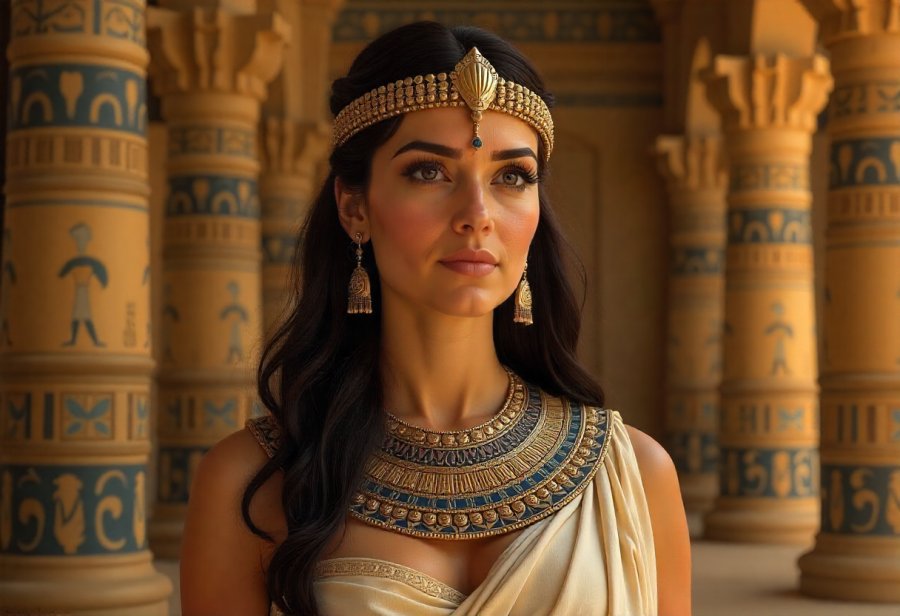
Eternal Inspiration: Reflecting on Cleopatra’s Enduring Impact
Cleopatra’s influence stretches far beyond her reign as Egypt’s last pharaoh, shaping ideas about leadership and gender that still resonate today. She broke the stereotype that women’s power relies solely on charm or beauty, proving instead that intelligence, diplomacy, and resilience form the true foundation of influence. Her ability to navigate a male-dominated world through wit and strategic thinking opened new pathways for women in leadership, inspiring generations to see strength as rooted in knowledge and emotional insight rather than traditional gender roles.
Today, Cleopatra is increasingly recognized as a complex figure—more than just a romantic icon or seductress. Modern portrayals emphasize her diplomatic skill, cultural savvy, and strategic mind, demonstrating that effective leadership depends on wisdom, perseverance, and adaptability. Her story challenges us to rethink what it means to lead, highlighting qualities that transcend superficial appearances and emphasizing the importance of understanding people and contexts.
Her resilience in the face of internal rivalries and external threats offers lessons still relevant now. Cleopatra knew that lasting leadership required flexibility and the ability to turn crises into opportunities. Her talent for forging alliances and managing complex political landscapes shows that perseverance and strategic foresight can sustain influence through turbulent times. Her example encourages leaders today to prioritize resilience and smart decision-making over fleeting displays of power.
The way Cleopatra crafted her image underscores the importance of perception in leadership. She skillfully used symbols, rituals, and public appearances to reinforce her legitimacy, recognizing that influence often depends on emotional and cultural resonance. Her ability to tell a compelling story about her authority reminds us that shaping perception can be as powerful as wielding tangible power—an insight that remains essential in today’s complex social and political environments.
As a pioneering female ruler, Cleopatra’s legacy continues to inspire conversations about gender equality and effective leadership. She proved that women can lead with intelligence and strategic vision, breaking stereotypes and encouraging women worldwide to pursue influence based on skill and resilience. Her example broadens the definition of leadership, emphasizing qualities like wisdom, perseverance, and cultural insight as universal keys to success.
Her enduring fascination lies in her mastery of influence through intellect and resilience. Modern portrayals highlight her diplomatic finesse and cultural diplomacy, helping dismantle myths that her power was rooted solely in beauty or romance. Instead, Cleopatra emerges as a trailblazer who demonstrated that influence is built on knowledge, adaptability, and authentic leadership—values as vital today as they were in ancient Egypt.
Her legacy reminds us that leadership is a continuous journey of learning and adaptation. Cleopatra showed that influence isn’t just about titles or appearances but about the strength of the mind and the courage to lead with purpose. Her story encourages us to value strategic thinking, resilience, and insight—principles that remain just as relevant now as they did millennia ago. Her example endures as a blueprint for anyone seeking to leave a meaningful, lasting impact.