In an era where effective communication can define success, customized telephony solutions are transforming the way organizations connect and collaborate. Imagine turning a basic phone system into a strategic asset—tailored features like intelligent call routing, auto-attendants, and seamless integrations boost internal efficiency and elevate customer experiences. With modern cloud-managed platforms like Grandstream’s GDMS, deploying and managing these advanced systems becomes remarkably simple, scalable, and adaptable to growth. But as technology evolves, so does the potential: future innovations such as AI-powered routing, 5G enhancements, and deeper CRM integration promise even smarter, more personalized interactions. Are you leveraging the full potential of these innovations to stay ahead in a competitive landscape? The shift from static systems to intelligent, interconnected communication networks isn’t just inevitable—it’s essential for organizations aiming for agility, resilience, and exceptional service in a rapidly digitalizing world.
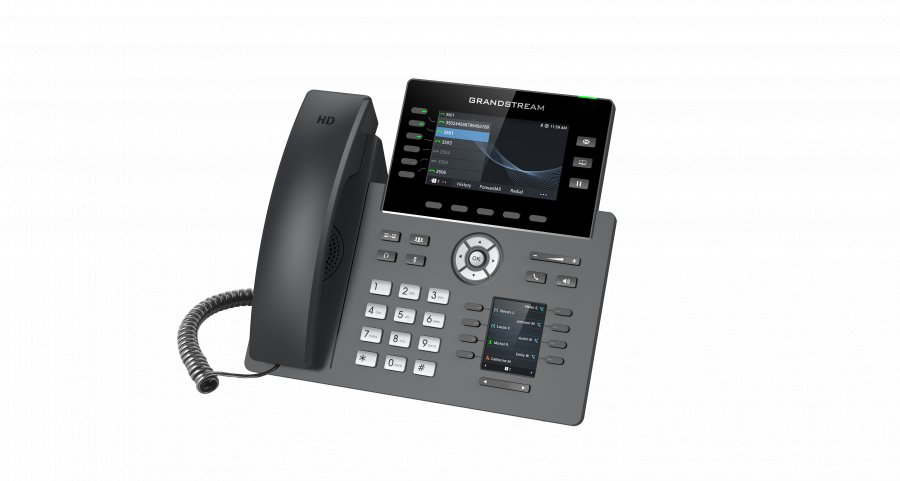
Transform Your Business Communication with Customized Telephony Solutions
In today’s fast-moving business landscape, effective communication can make or break success. Relying on generic phone systems often leads to missed calls, confusing workflows, and frustrated customers. That’s where customized telephony solutions come in—they’re designed specifically to fit your organization’s unique needs, turning a basic tool into a strategic advantage.
Tailored systems go beyond simple call handling. They incorporate features like intelligent call routing, auto-attendants, and seamless device integration, all configured to match your operational processes. For instance, sales teams might have direct lines to clients, while support departments benefit from menus that swiftly direct callers to the right agent. This customization ensures every call is handled efficiently, saving time and reducing errors.
Modern technology has made deploying these personalized setups easier than ever. Cloud-based management platforms, like Grandstream’s GDMS, enable remote configuration and centralized control across multiple locations. This flexibility allows businesses to adapt quickly—adding users, changing call flows, or updating auto-attendant menus—without disrupting daily operations. It turns communication infrastructure into a scalable, agile asset.
The benefits extend internally as well. When employees have quick access to features like call transfers, internal extensions, or voicemail, their productivity improves. Programmable keys on Grandstream IP phones simplify routine tasks, freeing up valuable time and minimizing frustration. These efficiencies support smoother collaboration and a more responsive service delivery to clients, ultimately strengthening your reputation.
Adopting customized telephony also aligns with growth and change. As your organization expands or shifts focus, your system can evolve alongside it. Whether scaling up a small startup or managing a large enterprise, cloud-managed solutions provide the tools to manage thousands of devices effortlessly. This adaptability keeps your communication channels resilient and ready for future demands.
Furthermore, integrating your telephony system with other business tools amplifies its impact. Connecting IP phones with CRM platforms creates a seamless flow of customer data, enabling personalized interactions. Automated workflows, intelligent routing, and detailed analytics turn your phone system into a powerful component that supports broader organizational goals.
In essence, customized telephony transforms communication from a routine function into a strategic asset. It enhances customer experiences, streamlines internal processes, and provides the flexibility needed in today’s dynamic environment. Investing in tailored solutions means investing in your organization’s ability to stay connected, efficient, and competitive in an increasingly digital world.
From Analog to Cloud: The Evolution of Telephony Technologies
Telephony technology has come a long way, evolving from simple analog landlines to sophisticated digital and internet-based systems. In the early days, voice communication relied solely on copper wires transmitting analog signals, which provided dependable service but limited flexibility and scalability. As businesses expanded and communication needs grew more complex, digital systems emerged, introducing features like voicemail, call forwarding, and auto-attendants that laid the groundwork for modern telephony.
The real turning point arrived with Voice over Internet Protocol (VoIP), revolutionizing how organizations handle calls. Instead of traditional copper lines, VoIP converts voice into digital data packets that travel over the internet. This shift unlocked new possibilities for customization, allowing companies to design their phone systems around specific workflows. Call routing could be easily tailored to direct calls based on time, department, or caller ID, and these systems could integrate seamlessly with other business tools like customer relationship management (CRM) platforms.
Today, the foundation of telephony rests on advanced IP phones and cloud-based management platforms. IP phones connect directly to the internet, offering clearer audio quality and additional features such as programmable keys and HD sound. Cloud management solutions, like Grandstream’s GDMS, enable remote configuration, centralized control, and quick deployment across multiple locations. This approach simplifies scaling—adding lines or modifying call flows becomes straightforward, eliminating the need for physical reconfiguration.
The move toward customization emphasizes scalability and flexibility. Small businesses can start with a handful of lines and expand as needed, while large enterprises manage thousands of devices effortlessly. Cloud platforms facilitate this growth through mass provisioning and real-time updates, ensuring the system adapts swiftly to changing organizational demands. Reliable network infrastructure supports these systems, with Quality of Service (QoS) settings prioritizing voice traffic to maintain call quality during peak usage.
Integration with other digital tools continues to drive telephony’s evolution. CRM systems, auto-attendants, and analytics tools create more personalized and efficient workflows. These innovations transform telephony from a basic communication channel into a strategic component that enhances customer engagement and internal collaboration. As telephony technology advances, its foundation underscores a clear move toward more adaptable, scalable, and feature-rich systems that meet the needs of modern organizations.

Enhance Organizational Connectivity Through Tailored Telephony Systems
Tailored telephony solutions fundamentally transform how organizations communicate, making interactions more efficient and responsive. When a business customizes its phone system, it ensures that every call is directed precisely where it needs to go, reducing wait times and miscommunication. Features like personalized call routing allow callers to reach the right department or individual instantly, enhancing professionalism and customer satisfaction. For example, a sales team can set up direct lines for key accounts, ensuring clients connect quickly with their representatives, while support auto-attendants streamline inquiries and reduce hold times.
Within the organization, these systems support smoother collaboration. Quick access to functions like call transfers, internal extensions, or voicemail empowers employees to handle interactions swiftly and effectively. Programmable keys on Grandstream IP phones make routine tasks simple, freeing up time and minimizing frustration during busy periods. When communication flows seamlessly internally, teams can focus on their core tasks without interruption, boosting overall productivity.
Cloud management platforms like Grandstream’s GDMS amplify these benefits by enabling remote control and real-time adjustments. Managing hundreds or thousands of devices across multiple locations becomes straightforward, with centralized oversight that simplifies updates and reconfigurations. This flexibility allows organizations to adapt quickly to changes—be it adding new users, modifying call flows, or deploying new features—without disrupting daily operations. As a result, the communication system remains resilient and scalable, ready to support growth and evolving needs.
Integration with other digital tools takes customization further. Connecting IP phones with customer relationship management (CRM) platforms creates a seamless flow of data, enabling personalized service and faster issue resolution. Automated workflows and intelligent call routing, combined with analytics, provide insights into usage patterns, helping managers refine processes and improve customer experiences. These integrations turn a basic phone system into a strategic asset that aligns with broader business objectives.
Deploying tailored telephony solutions might seem complex, but modern devices and cloud platforms simplify the process. User-friendly interfaces and automation features reduce setup time and technical hurdles. Quick configuration of programmable keys and auto-attendant menus allows even non-specialists to optimize their systems rapidly. This accessibility means organizations of all sizes can leverage the full potential of customized telephony without extensive technical expertise.
Ongoing management and fine-tuning are vital for sustained success. Regular monitoring of call logs, system analytics, and user feedback reveals opportunities for improvement. Updating features and workflows ensures the system continues to support organizational goals effectively. Cloud platforms like GDMS facilitate remote troubleshooting, firmware updates, and adjustments, keeping the system secure and high-performing. By continuously refining their telephony setup, organizations can maximize efficiency, enhance customer satisfaction, and stay ahead in a competitive landscape.
Implementing and Fine-Tuning Your Custom Telephony for Maximum Impact
To effectively implement a tailored telephony system, start by clearly mapping out your organization’s specific communication needs. Identify essential features such as call routing, auto-attendants, and CRM integration that will support your workflows. Using management tools like Grandstream’s GDMS simplifies this process, enabling remote configuration and mass provisioning of devices across multiple locations. This approach accelerates deployment, reduces manual errors, and ensures consistency in setup.
Once your system is in place, focus on regular performance monitoring. Analyze call logs and system analytics to identify bottlenecks or underutilized features. Use these insights to fine-tune auto-attendant menus, call flows, and routing rules, making interactions more streamlined and efficient. These adjustments help prevent unnecessary delays, improve customer experience, and ensure the system adapts to evolving business demands.
Training staff on new features is crucial. Provide clear, straightforward instructions on how to use programmable keys, transfer calls, and access voicemail. Empowering employees with knowledge ensures they leverage system capabilities fully, leading to smoother internal collaboration and faster response times. Consistent training also minimizes user errors and maximizes the return on your investment.
Leverage the centralized control offered by cloud management platforms like GDMS for ongoing maintenance. These tools allow you to push firmware updates, modify configurations, and troubleshoot remotely across all devices. This level of oversight simplifies management, especially when handling hundreds or thousands of endpoints, and minimizes downtime caused by technical issues.
Ensure your network infrastructure supports high-quality voice communication. Prioritize voice traffic with Quality of Service (QoS) settings, and make sure your internet connection remains stable during peak usage. Properly configured managed switches and routers create a reliable backbone that maintains clear, jitter-free calls, even during busy periods. Regular network assessments can spot potential issues early, helping sustain consistent call quality.
As your telephony system matures, stay ahead by exploring emerging technologies like AI-powered call routing or advanced analytics. These innovations can further optimize your workflows, personalize caller experiences, and provide actionable insights. Incorporating these features ensures your system remains dynamic and aligned with long-term organizational goals.
Continuous evaluation and refinement are key to maximizing system performance. Regularly review call patterns, gather user feedback, and adjust workflows accordingly. Keep the system updated with the latest firmware and features through your management platform to enhance security and functionality. This proactive approach transforms your telephony setup from a static tool into a strategic asset.
In today’s fast-changing digital landscape, maintaining an optimized, flexible telephony system is vital. Combining thoughtful deployment with ongoing fine-tuning ensures your communication infrastructure supports growth, adapts swiftly to change, and consistently delivers a superior experience for both staff and customers.

The Future of Telephony: Smarter, More Integrated, and User-Centric
Looking ahead, the future of customized telephony is set to become even more integrated, intelligent, and effortless. Advances in artificial intelligence and machine learning will redefine how calls are routed, how voice recognition enhances user experiences, and how systems anticipate caller needs. Soon, systems may handle routine inquiries automatically, freeing staff to focus on complex tasks and meaningful interactions. This evolution promises not just smarter call management but a more personalized, responsive communication environment.
Cloud platforms will continue to simplify deployment and management, making tailored solutions accessible to organizations of all sizes. As these platforms evolve, expect tighter integration with customer relationship management tools, chatbots, and advanced analytics. This interconnected digital ecosystem will transform telephony from a standalone service into a core component of broader digital strategies, boosting efficiency and elevating customer engagement.
The rollout of 5G networks will dramatically improve call quality and expand the potential for multimedia interactions. Higher bandwidth and lower latency will support features like high-definition video conferencing and real-time data sharing, opening new avenues for remote collaboration and virtual customer service. These technological leaps will make personalized communication more versatile and accessible, supporting dynamic work environments and seamless customer experiences.
More organizations are recognizing that tailored telephony isn’t just a technology upgrade—it’s a strategic advantage. By aligning communication channels with specific workflows, businesses can improve satisfaction, streamline operations, and scale rapidly. As adoption grows, companies will become more agile, able to respond swiftly to market shifts and evolving customer expectations, turning their communication systems into true competitive assets.
Automation and AI-driven features will continue to reduce manual work, allowing organizations to focus on growth and innovation. Smarter auto-attendants, predictive call routing, and detailed analytics will make communication more proactive and personalized. These tools will deepen customer trust and loyalty, as interactions become more relevant, timely, and efficient.
Despite rapid technological progress, the core value remains unchanged: effective, personalized communication fosters trust and collaboration. Future innovations will make these qualities even easier to deliver, empowering organizations to connect more deeply with their audiences. Seamless, meaningful interactions will become the norm, not the exception.
Embracing these changes now positions businesses to stay competitive and leverage their telephony systems fully. The ongoing transformation isn’t just about adopting new tech—it’s about creating a resilient, responsive communication foundation that supports growth and innovation. Organizations that invest in future-ready solutions will enjoy greater agility, better customer relationships, and sustained success in a rapidly digitalizing world.
Ultimately, the future of customized telephony promises to make communication more intuitive, intelligent, and integral to organizational success. As these technologies mature, they will continue to elevate the way businesses connect with their customers and teams—making every interaction more impactful and aligned with strategic goals. Staying ahead means embracing these innovations today, shaping a more connected, efficient, and competitive tomorrow.