In a hyper-connected digital age, could tending a garden together unlock deeper emotional bonds and foster healing? This compelling exploration reveals how outdoor gardening serves as a powerful antidote to screen dominance, encouraging genuine presence, trust, and patience. Beyond growing plants, shared gardening routines cultivate resilience, empathy, and honest communication, transforming routine tasks into meaningful rituals of connection. Scientific insights underscore gardening’s therapeutic benefits—reducing stress, enhancing mood, and promoting mental clarity—especially when experienced collectively. As efforts to nurture life outside mirror personal growth, these natural acts of care nurture inner strength and deepen relationships. Could small acts like planting herbs or creating community gardens become universal tools for emotional well-being? Embracing gardening as a mindful, accessible practice offers a hopeful path toward stronger bonds and holistic healing, reminding us that sometimes, the most profound growth begins with getting our hands a little dirty together.
Gardening as a Heartfelt Bonding Experience
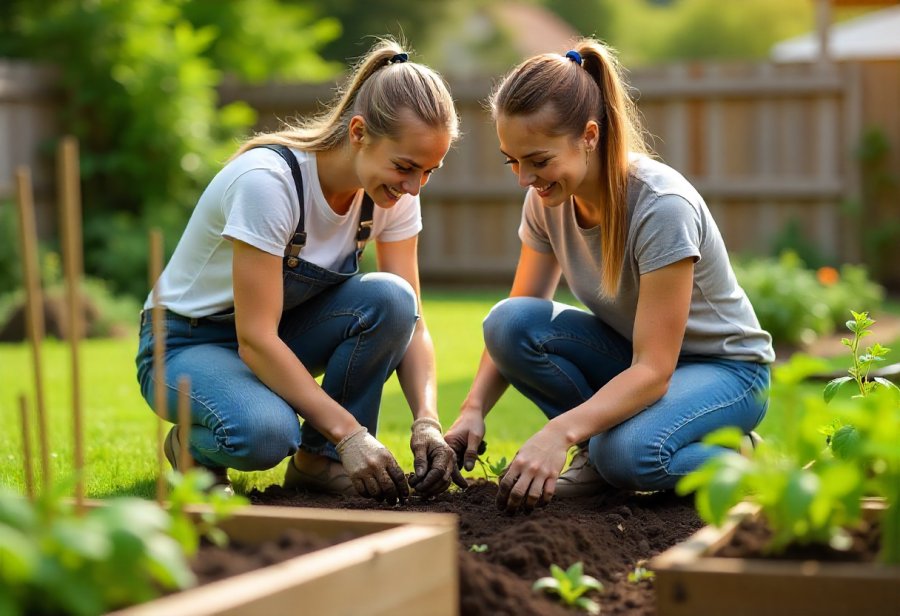
In today’s fast-paced digital world, genuine face-to-face connection often feels harder to come by. We’re glued to screens—scrolling, messaging, binge-watching—losing sight of simple, real interactions. Yet, amid this digital noise, gardening emerges as a quiet but powerful way to reconnect with others and ourselves. Working together outside, planting seeds or tending rows of green, taps into something fundamental: trust, patience, and shared purpose. It’s an activity that requires no screens, just hands in the soil and a common goal.
Gardening offers more than just the joy of growing plants; it creates a natural setting for bonding. When we work side by side, we slow down, become mindful, and open space for meaningful conversations that often get lost in daily routines. These shared moments foster a sense of trust and understanding—building bonds that are rooted in cooperation and patience. The act of caring for something outside ourselves reminds us that growth takes time and effort, whether with plants or people.
Beyond emotional connection, gardening acts as a form of outdoor therapy. The physical act of digging, watering, and pruning helps calm the mind and reduce stress. The sensory experience—feeling soil, smelling herbs, hearing leaves rustle—anchors us in the present moment. When shared with someone else, these activities become even more powerful, providing a safe space to express feelings and support each other naturally. Watching plants flourish together becomes a symbol of collective resilience and mutual care.
In a world saturated with digital distractions, gardening offers a refreshing change. It encourages us to disconnect from screens and reconnect with nature, each other, and ourselves. Working in the dirt fosters honest conversations and genuine presence, strengthening emotional bonds that digital interactions rarely sustain. These moments of shared effort and patience create a foundation of trust and intimacy, reminding us of what truly matters amid the chaos.
Gardening isn’t just about plants—it’s about planting the seeds of trust, empathy, and understanding. It’s a simple, accessible activity that can transform relationships, turning everyday routines into opportunities for growth. Whether in a backyard or a community space, tending to life outside encourages us to nurture what’s inside as well. It’s a gentle reminder that sometimes, the best way to grow closer is to get your hands a little dirty together.
Healing Souls Through Garden Touches
Gardening has long been recognized as a powerful form of outdoor therapy that can significantly boost emotional well-being. When you dig into the soil, it’s more than just a physical activity; it’s a mindful practice that helps bring calm and clarity, especially during stressful times. The tactile sensation of soil, the gentle act of planting, and the slow process of nurturing growth serve to ground us in the present moment, reducing feelings of anxiety and overwhelm. Scientific studies support this, showing that spending time in green spaces lowers cortisol levels—the hormone linked to stress—and lifts mood.
Engaging with nature through gardening offers tangible health benefits. The movements involved—digging, watering, pruning—are gentle exercises that boost strength, flexibility, and overall fitness. Mentally, caring for plants provides a calming routine that helps break the cycle of worry and negative thoughts. The act of nurturing something outside ourselves creates a sense of purpose, which can be especially uplifting during difficult moments. When done together, these activities foster a safe space for emotional expression and healing, making the garden a refuge where growth happens naturally without pressure or judgment.
Research consistently shows that nature has a restorative effect on mental health. Even brief exposure to green spaces can reduce stress, elevate happiness, and improve overall mood. A study from 2010 found that just 20 minutes outdoors can significantly lower cortisol levels while increasing feelings of relaxation. The sensory experience of gardening—seeing vibrant colors, smelling fragrant flowers, hearing the rustle of leaves—activates our parasympathetic nervous system, promoting relaxation. This biological response explains why outdoor activities like gardening are often recommended for stress relief, helping us reset and find clarity amidst chaos.
Sharing gardening experiences amplifies these therapeutic benefits. Working side by side in a garden fosters trust, patience, and emotional connection. Watching a seed sprout or a flower bloom becomes a shared victory, reinforcing that growth—whether in plants or relationships—is a collaborative effort. These moments encourage open communication and mutual understanding, vital for emotional healing. Over time, the garden transforms into a symbol of resilience and cooperation, reminding us that nurturing life outside can also nurture our inner strength and emotional bonds.
Gardening as therapy extends beyond physical activity; it creates a space for honest reflection and emotional release. The repetitive, deliberate actions—watering, weeding, pruning—serve as a meditative process that quiets a busy mind. The simple act of caring for plants can help individuals process feelings in a non-verbal way, reducing mental clutter and promoting mental clarity. In shared moments, this process fosters vulnerability and empathy, helping to break down emotional barriers and build trust through mutual effort and patience.
The natural rhythm of gardening also cultivates resilience. When plants face setbacks—diseases, weather challenges or slow growth—we learn patience and adaptability. These lessons translate into emotional resilience, teaching that setbacks are part of growth and healing. Working together through these challenges reinforces the bond, as partners support each other in overcoming obstacles. The garden becomes a mirror for life’s ups and downs, emphasizing that perseverance and care lead to eventual blossoming.
Ultimately, gardening provides a gentle but profound path to emotional healing. The act of nurturing life outside creates a ripple effect, fostering patience, compassion, and connection inside. It’s a reminder that healing often begins with small, intentional acts of care. Whether tending to a single potted plant or cultivating an entire garden, each moment of mindful tending builds a foundation of trust and resilience. In the end, the garden becomes more than just a space—it becomes a sanctuary for emotional renewal and deeper bonds.
Breaking Digital Barriers to Reconnect in Nature
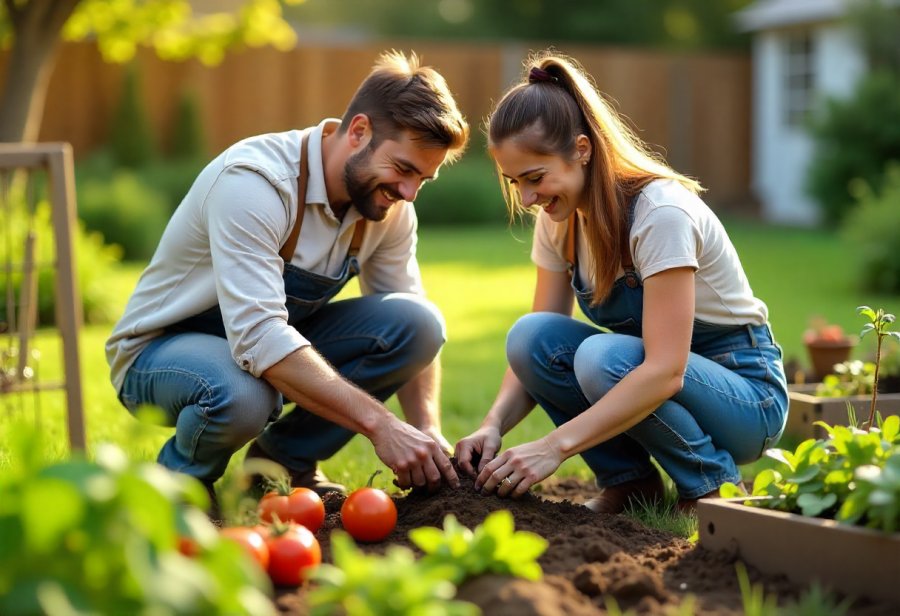
In a world dominated by screens and constant digital chatter, finding ways to genuinely disconnect and reconnect with loved ones has never been more important. Gardening offers a refreshing escape from the digital overload, inviting us to step outside and focus on something tangible and real. When you tend to a garden together, your senses come alive—feeling the damp earth, smelling fragrant herbs, hearing the rustle of leaves—drawing you into a calm, present moment that screens often block out. This shift from virtual to physical helps break the cycle of distraction, creating space for authentic interactions.
Sharing outdoor activities naturally encourages conversations that aren’t interrupted by notifications or the urge to check devices. Instead of texting or scrolling, you’re working side by side, which fosters trust and emotional closeness. The act of caring for plants becomes a shared experience that invites honesty and openness, helping to rebuild intimacy that digital interactions can sometimes weaken. Over time, these moments of presence form a foundation for stronger bonds, built through effort, patience, and shared purpose.
Moving together in the garden—watering, planting, weeding—also triggers the release of endorphins, making it easier to relax and open up. As you work side by side, you create shared memories rooted in a simple, meaningful task, which naturally leads to genuine conversations. These experiences deepen understanding and help you see each other beyond the digital personas that often dominate our daily lives. Gardening becomes a space where genuine connection blooms, free from screens and distractions.
In addition to fostering emotional closeness, gardening provides a much-needed break from the constant influx of digital information. It’s a chance to slow down, to focus on what’s right in front of you—the feel of the soil, the scent of blossoming flowers, the sound of rustling leaves. This sensory immersion helps reset your mental state, making you more receptive to each other’s words and feelings. It’s more than a hobby; it’s a mindful practice that reconnects us with ourselves, each other, and the natural world.
By stepping outside and working together, we create opportunities to rebuild trust and emotional bonds that digital life can chip away at. These shared moments foster patience, empathy, and understanding—qualities that form the backbone of meaningful relationships. Gardening becomes more than an activity; it’s a deliberate act of presence that reminds us of what truly matters—connection, care, and being fully present with those we love. Each moment spent tending the garden becomes a step toward stronger, more resilient bonds.
Practical Ways to Cultivate Relationships in the Garden
To turn gardening into a meaningful tool for strengthening relationships, start with simple, shared activities that foster cooperation and open communication. Working together to plant a vegetable garden or create a flower bed naturally encourages teamwork. These manageable tasks provide regular opportunities for conversation and collaboration, helping partners or friends feel connected through a common goal. Establishing routines like weekly watering or harvesting reinforces the habit of working side by side, transforming gardening into a consistent bonding experience.
Adding creative touches can make the process more engaging and fun. Designing garden layouts, painting decorative plant markers, or crafting personalized signs gives everyone a chance to contribute their ideas and talents. These activities foster a sense of ownership and pride, turning the garden into a shared creation rather than just a chore. When people feel invested in the space, their emotional connection to it—and to each other—grows stronger, making the garden a symbol of teamwork and mutual support.
Practicing mindfulness during gardening deepens these bonds. Encouraging everyone to be fully present while tending to the plants—paying attention to textures, smells, and sights—creates a calming environment that nurtures emotional openness. This focus on being in the moment reduces distractions and helps conversations flow more naturally, often leading to honest exchanges that might not otherwise occur. Over time, mindful gardening becomes a gentle form of emotional therapy, helping individuals feel more grounded and connected.
Setting achievable goals together can boost motivation and a sense of progress. Whether it’s growing a particular vegetable, cultivating a flower variety, or simply maintaining a routine, celebrating small wins reinforces teamwork and trust. Tracking progress—such as noting plant growth or harvest yields—serves as tangible reminders of what’s been accomplished. These shared successes foster optimism and resilience, especially during challenging times, by demonstrating that effort and patience lead to rewarding results.
Introducing themed garden projects or seasonal challenges keeps things fresh and sparks creativity. Creating a fairy garden, planting herbs for cooking, or designing a butterfly-friendly space turns routine tasks into memorable experiences. These themed activities inspire playful collaboration and storytelling, making the process more meaningful and enjoyable. They encourage participants to think beyond basic planting, fostering a sense of discovery and shared achievement.
Patience and gratitude are vital in cultivating deeper emotional bonds through gardening. Taking moments to appreciate the beauty of plants, expressing thanks for each other’s efforts, or simply enjoying the scenery fosters positive feelings. Including brief mindfulness exercises, like a moment of silence or shared gratitude, transforms gardening into a space for emotional support. Over time, these practices help turn the garden into a sanctuary of connection and resilience, reflecting the care and patience that nurture both plants and relationships.
Embracing Gardening as a Path to Lasting Bonds and Growth
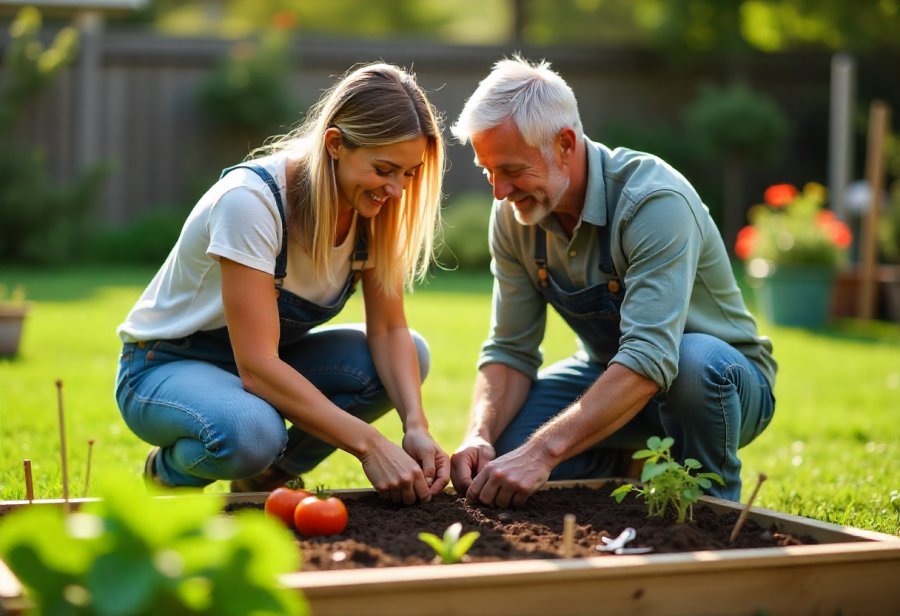
Gardening extends far beyond the act of planting; it offers a meaningful way to deepen relationships and boost emotional well-being. The shared experience of tending to life outside cultivates trust, patience, and mutual support, turning small acts like watching a seed sprout into powerful symbols of growth—both in plants and in relationships. These collective efforts lay a foundation of teamwork and understanding, transforming the garden into a resilient space of connection that endures through challenges.
The proven benefits of outdoor activity for mental health are clear. Spending time in green spaces reduces stress hormones and elevates mood, effects that are amplified when shared with others. As we nurture plants together, we reinforce bonds built on patience and care, creating moments of pride and shared achievement that foster resilience. These experiences remind us that healing and growth are processes requiring time, effort, and mutual commitment—a lesson that extends from the garden into everyday life.
Looking ahead, the potential of gardening as a tool for building stronger bonds is promising and adaptable. Even in small or urban spaces, innovations like container gardens or community projects make it accessible for everyone. Technology, such as gardening apps or virtual collaborations, can further extend these benefits, allowing connection and growth to flourish even from afar. Such developments suggest that gardening might become a universal approach to emotional health—one that fits diverse lifestyles and abilities.
Starting small remains key. Whether tending a few herbs on a windowsill or planting a single pot, these modest acts plant seeds of patience, trust, and connection. Consistent care and shared routines cultivate resilience and understanding, with each small step reinforcing the bonds that sustain us. Over time, these acts of nurturing outside create ripples of compassion and patience that can transform how we relate to others and ourselves.
In embracing gardening as a path to deeper bonds and healing, we tap into a gentle yet powerful resource. It reminds us that care, patience, and presence—simple acts of tending—can foster genuine connection and resilience. As we nurture life outside, we also nurture what’s inside, building a more compassionate, connected future. Each seed planted and each moment spent in the garden becomes a step toward stronger relationships, emotional renewal, and a more mindful way of living.