Underground street racing is more than just a pursuit of speed; it’s a fiercely bonded community rooted in rebellion, loyalty, and shared craftsmanship. As racers carve out their own worlds in shadowed urban spaces, they forge unbreakable bonds that transcend the thrill of the race—trust, sacrifice, and brotherhood become the true motors driving this culture. Yet, as law enforcement intensifies and technology advances, they continually adapt—discovering smarter tactics, embracing quieter electric vehicles, and harnessing clandestine digital networks to stay connected. This relentless resilience raises a compelling question: can the spirit of rebellion and connection survive in the face of increasing surveillance? Despite the risks, the scene persists, evolving through innovation and shared loyalty, ensuring that the pulse of underground racing remains alive—an unyielding testament to freedom, identity, and the power of community beneath the neon lights.
Unveiling the Underground Street Racing Scene: A Culture of Rebellion and Identity
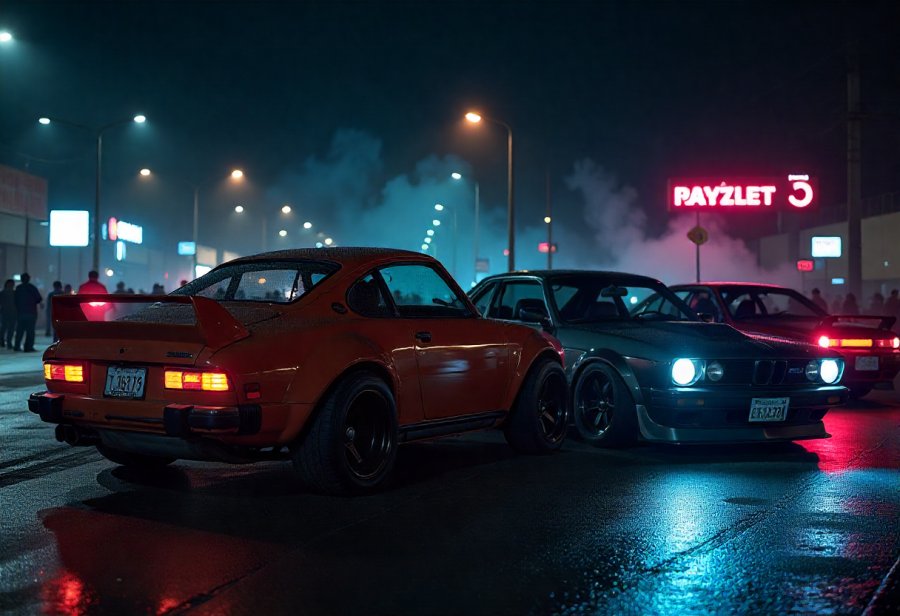
Underground street racing isn’t just about hitting top speeds; it’s a vibrant part of urban culture that offers a sense of freedom and identity for many young people. These secret races often happen late at night, in hidden spots like abandoned warehouses, quiet backstreets, or deserted parking lots, away from the watchful eyes of law enforcement. For those involved, it’s more than just a race—it’s a space to express individuality, push their cars—and themselves—beyond limits, and connect with others who share their passion for adrenaline and craftsmanship.
The scene has roots stretching back to the mid-20th century, when California’s hot rod and muscle car culture started seeking unofficial venues to test their vehicles outside traditional tracks. Over time, these clandestine races grew in size and intensity, especially in cities where legal racing options were limited. Media coverage in the ’80s and ’90s romanticized this rebellious lifestyle, turning street racing into a symbol of youthful defiance and independence. Today, despite increased law enforcement crackdowns, the culture persists, evolving through online forums and private social media groups that coordinate races discreetly.
Car modification remains at the heart of underground racing. Racers extensively customize their vehicles with performance upgrades, aesthetic touches, and eye-catching paint jobs, transforming each car into a personal statement. These modifications aren’t just about speed—they’re symbols of pride, skill, and loyalty to a crew or style. The culture of customization fosters a sense of belonging, where every bolt, decal, and detail reflects identity and allegiance. It’s a language spoken through machines, where loyalty is expressed through shared craftsmanship and style.
More than a solo pursuit, underground racing is a community built on trust, loyalty, and shared adrenaline. Crews often feel like families, forged through countless late-night sessions, mechanical support, and mutual respect. Supporting each other through setbacks and celebrating victories deepens these bonds, turning fleeting moments of excitement into lifelong friendships rooted in loyalty and sacrifice. This sense of brotherhood keeps the scene alive, thriving in the shadows despite the risks and challenges.
Underground street racing isn’t just a fleeting trend; it’s a resilient subculture that continues to evolve. Its significance goes beyond the thrill of speed—it’s about community, identity, and pushing boundaries. In a world increasingly regulated and monitored, the scene endures because it taps into a universal desire for freedom, belonging, and self-expression. For many, it’s more than a sport; it’s a way of life rooted in rebellion, brotherhood, and the unbreakable bond of the streets.
The Brotherhood of Speed: Loyalty, Trust, and Unbreakable Bonds Among Racers
The brotherhood among street racers runs far deeper than a shared love for speed; it’s built on trust, loyalty, and a sense of belonging that’s hard to find elsewhere. These crews often feel more like families, formed through countless late-night sessions, high-pressure races, and collective efforts to keep each other safe. When you’re pushing your car to its limits on the streets, you quickly realize that having trustworthy teammates isn’t just helpful—it’s essential for survival. That trust is earned through consistent support, respect, and shared risks, creating bonds that go beyond the thrill of the race.
Loyalty within these crews isn’t just a word; it’s a badge worn with pride. Racers rely on each other to navigate dangerous situations, whether it’s police interference or mechanical failures. When a teammate’s car breaks down after a tough run, the crew rallies together to fix it, knowing that their shared passion and mutual support are what hold them together. These acts of loyalty turn fleeting adrenaline rushes into lifelong friendships rooted in trust and sacrifice, making the bond more meaningful than the race itself.
The culture of street racing also thrives on rituals and traditions that reinforce these bonds. Many crews develop their own handshakes, signals, or pre-race routines—small acts that symbolize unity. Celebrating milestones, like a crew member’s birthday or a personal best, deepens the sense of belonging. These routines are acts of affirmation, constantly reaffirming each member’s place in the group. Over time, they transform casual acquaintances into a tight-knit family, where loyalty is woven into every shared moment.
Car modifications serve as more than technical upgrades—they’re symbols of allegiance. Custom paint jobs, decals, and performance parts become visual markers of loyalty to a crew or shared identity. When racers gather, their cars stand as banners of unity, showcasing skills, style, and collective pride. These machines are more than tools for racing; they’re expressions of loyalty and community, each bolt and decal a silent vow of allegiance. Every detail reflects a commitment to the crew and the unbreakable bonds forged through shared effort.
Racing in the shadows of night fosters a unique kinship. Facing danger together—whether police crackdowns or mechanical setbacks—cements bonds that feel instinctual. Supporting each other during late-night repairs or standing guard during clandestine meets strengthens these relationships. These moments of adversity become the foundation of genuine connections built on resilience, sacrifice, and mutual trust. It’s a brotherhood formed in secrecy, where loyalty and shared vulnerability turn fleeting moments into lifelong bonds that define the essence of underground street racing.
Current Trends and Challenges in Modern Street Racing
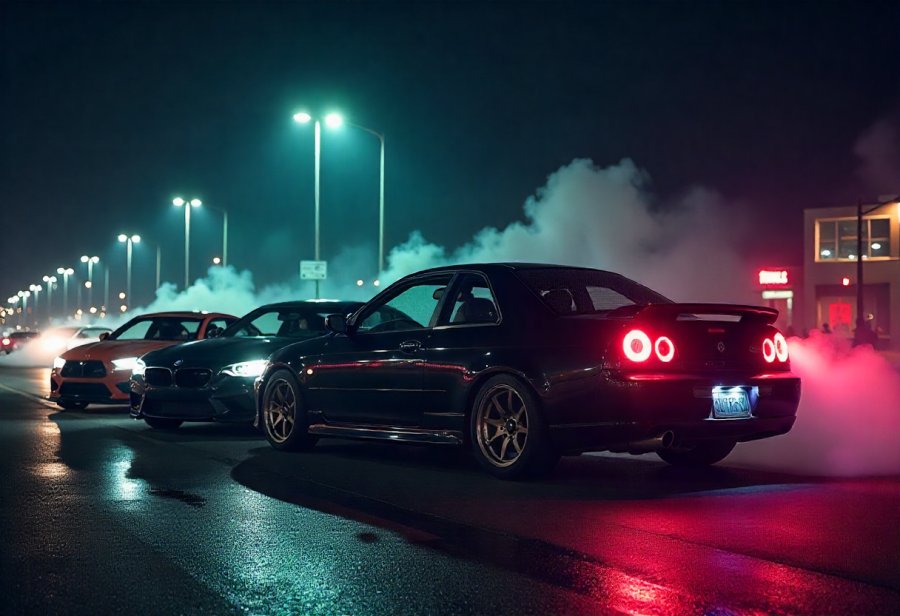
Today, underground street racing remains a dynamic and resilient scene, even as law enforcement ramps up its efforts to crack down on illegal activities. Despite the increased surveillance—drones, undercover officers, and high-tech monitoring—racers continue to adapt quickly, organizing races in unpredictable locations that shift from night to night. Online forums, encrypted messaging apps, and private social media groups play a crucial role in keeping the community connected, sharing secret spots, and coordinating events discreetly. This digital underground keeps the scene alive, fostering a sense of camaraderie and resilience among participants.
Modern street racing is heavily influenced by technological advances. Popular models like Nissan GT-Rs, Subaru WRXs, and heavily modified Hondas dominate the streets, thanks to their performance potential and ease of customization. Racers push the limits with turbo upgrades, NOS systems, and digital tuning, making each race more intense and unpredictable. Electric vehicles are beginning to make their mark, offering quieter, more discreet performance that challenges traditional notions of noise and visibility. These innovations not only elevate the competition but also push the scene toward new horizons, where silent speed becomes a strategic advantage.
Despite the risks, the core of street racing—skill, rebellion, and brotherhood—remains unchanged. Racers develop innovative techniques, from precise launches to creative modifications, always striving to stay one step ahead of law enforcement. When crackdowns happen, they swiftly move to new locations or switch to private online channels, demonstrating a culture that values adaptability and resourcefulness. Some regions are experimenting with sanctioned events that aim to balance the adrenaline rush with safety, hinting at a future where underground racing may coexist with more organized, semi-legal gatherings.
Legal pressures continue to tighten their grip, pushing the scene further underground. Authorities invest in advanced surveillance tech, making it harder for racers to operate openly. Races are often organized spontaneously—quickly assembled in hidden spots, with locations changing regularly. This cat-and-mouse game fuels a culture of secrecy, where trust and discretion are vital. The community’s ability to innovate and stay hidden is driven by a shared understanding: safety and loyalty are paramount in a world where exposure could mean crackdown or danger.
Social media’s evolution plays a significant role in maintaining the underground network. Private groups and encrypted chats enable organizers and racers to share information, mentorship, and tips without revealing too much. This digital connection helps preserve the scene’s technical mastery and rebellious spirit, even as authorities try to shut it down. It also fosters a sense of unity across city and regional lines, making the underground community more resilient and interconnected than ever before.
As enforcement tactics grow more sophisticated, many believe the scene will continue to evolve rather than disappear. The community’s resilience lies in its ability to adapt—embracing new tech, organizing covert events, and maintaining a strong sense of brotherhood. Some advocates push for sanctioned events that respect the culture’s roots, aiming to create safer outlets for the thrill of racing. Whether underground or semi-organized, the essence of street racing—brotherhood, innovation, and rebellion—remains a powerful force that keeps the culture alive and relevant.
Ultimately, the future of underground street racing hinges on its ability to balance risk with community spirit. The scene’s strength is rooted in shared loyalty, technical innovation, and a deep desire for freedom and connection. No matter how tightly authorities clamp down, the underground racers’ ingenuity and bond will likely ensure that this high-octane world persists, constantly evolving but forever driven by the unbreakable spirit of the streets.
Building Lifelong Connections Through the Race
Participation in underground street racing extends far beyond the thrill of speed; it weaves a web of deep personal and social bonds that last a lifetime. Shared late-night sessions, supporting teammates through mechanical setbacks, and celebrating victories together forge a sense of loyalty that runs beneath every race. These moments of cooperation transform fleeting adrenaline into genuine friendships rooted in trust and sacrifice. Many racers see their crews as family, providing emotional support in a world often filled with uncertainty.
Loyalty isn’t just spoken about—it’s demonstrated through action. When a teammate’s car breaks down after a tough run, the crew rallies to fix it, knowing their collective effort is what keeps everyone in the game. Helping each other through setbacks, sharing advice, and standing by one another during crises turn casual acquaintances into lifelong friends. These acts of support solidify bonds that go beyond racing, rooted in shared passion and mutual reliance.
Rituals and traditions further strengthen these relationships. Many crews develop their own handshakes, signals, or pre-race routines—small acts that symbolize unity. Celebrating milestones like a crew member’s birthday or personal best deepens the sense of belonging. These routines aren’t just customs—they’re affirmations, constantly reinforcing each member’s place within the group. Over time, they transform a loose collection of enthusiasts into a tight-knit family, bound by shared effort and loyalty.
Car modifications serve as more than technical upgrades; they’re symbols of allegiance. Custom paint jobs, decals, and performance parts become visual markers of a crew’s identity. When racers gather, their cars act as banners of unity, showcasing skills, style, and collective pride. Each bolt and decal becomes a silent vow of loyalty, a reflection of the bonds formed through shared craftsmanship and sacrifice. These machines speak a language of belonging that words can’t capture.
Racing in the shadows of night fosters an instinctual kinship. Facing dangers together—whether police interference or mechanical failures—cements bonds that feel innate. Supporting each other during late-night repairs or standing guard during clandestine meets deepens these relationships. Moments of adversity reveal resilience and trust, forging a brotherhood rooted in vulnerability and shared risk. These experiences create a foundation of trust that sustains the scene through challenges.
The environment of hidden streets and industrial zones nurtures a unique sense of community. Trust and discretion are vital, with racers respecting unspoken codes about sharing locations and protecting each other’s secrets. Loyalty extends to safeguarding reputations and honoring boundaries. This mutual understanding creates a tight-knit network—more than just a scene, an underground family where safety and trust are paramount. These bonds, forged in secrecy, keep the culture resilient despite relentless law enforcement pressure.
The relationships built through underground racing aren’t fleeting; they’re permanent. Acts of support, shared rituals, and facing danger together forge bonds that transcend the races themselves. For many, crews become surrogate families—places where loyalty and passion create a sense of belonging in a world that often feels isolating. These unbreakable connections, rooted in adrenaline and sacrifice, are the true engine that keeps underground racing alive and thriving.
In the end, it’s the strength of these bonds that defines the culture. Loyalty, shared effort, and mutual trust turn fleeting moments into lifelong ties. Underground street racing becomes more than a sport—it’s a way of life, a brotherhood built on resilience, respect, and the relentless pursuit of connection. No matter the obstacles, these relationships endure, fueling the scene’s spirit and ensuring its survival across generations.
The Future of Underground Street Racing: Innovation, Challenges, and Resilience
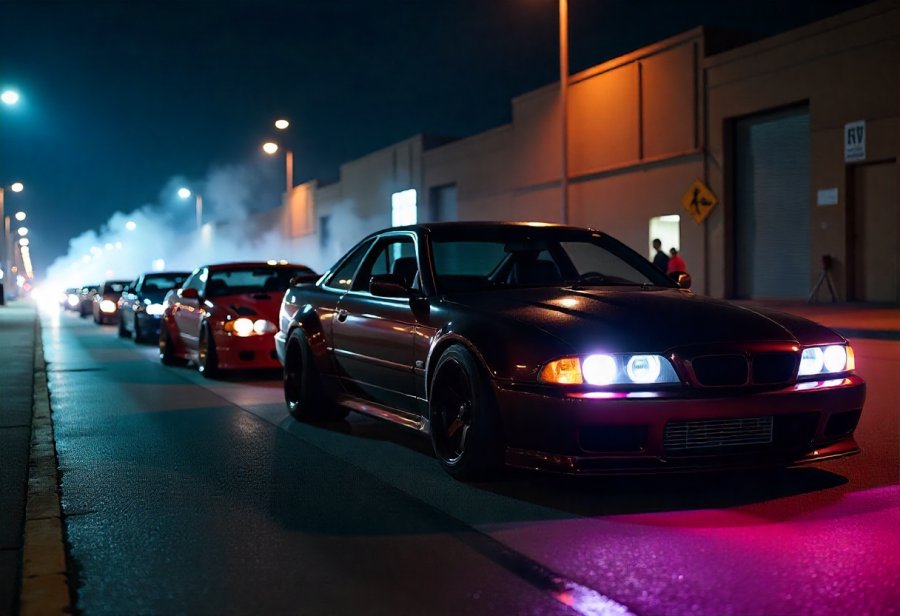
As underground street racing continues to evolve, new technologies and shifting social dynamics are reshaping the scene. Electric vehicles, with their quiet, high-performance capabilities, are beginning to challenge traditional notions of speed and detection. These cars offer racers a way to stay under the radar, pushing the boundaries of innovation while making illegal races more discreet and harder to monitor. This shift encourages creative modifications and new organizing tactics, fueling a fresh wave of ingenuity within the community.
Simultaneously, law enforcement efforts are intensifying, deploying advanced surveillance tools like drones, undercover units, and digital monitoring to crack down on illegal activity. This relentless pressure forces racers into ever-changing locations and encourages rapid, spontaneous organization through encrypted online channels. Trust and discretion become more crucial than ever, as the scene adapts to avoid exposure while maintaining its core spirit of rebellion and brotherhood.
Despite these challenges, the community’s resilience shines through. Many see these obstacles as opportunities for growth—developing smarter tactics, refining vehicle modifications, and fostering tighter networks. Some regions are experimenting with semi-organized events that blend the thrill of racing with safety measures, aiming to preserve the culture while reducing risks. These efforts suggest a future where underground racing might find a balance with safety and legitimacy, allowing its spirit to endure in new forms.
Emerging technologies like electric powertrains also open doors for innovation, pushing racers to craft quieter, faster vehicles that challenge authority’s ability to detect and control. Meanwhile, digital platforms remain vital, enabling organizers and enthusiasts to connect privately across regions, share knowledge, and mentor newcomers without compromising secrecy. This digital backbone strengthens the bonds of brotherhood and ensures the scene’s survival amid mounting restrictions.
However, the increasing sophistication of law enforcement tactics will likely deepen the scene’s underground nature. Many believe that stricter laws only drive racing further into shadows, making it more dangerous but also more inventive. The community’s adaptability and shared loyalty become more important than ever, allowing underground racing to persist as a symbol of independence and resistance. Its culture of innovation, brotherhood, and rebellion continues to thrive despite ongoing challenges.
In this landscape of constant change, the core values remain unchanged. The scene’s strength lies in its ability to adapt while holding onto its roots—loyalty, technical mastery, and a relentless desire for freedom. As new generations take up the torch, underground street racing will evolve, but its essence will stay the same. In the shadows or in semi-lit tracks, the unbreakable bonds forged through speed, sacrifice, and brotherhood will keep the spirit alive for years to come.