Nylon, a cornerstone of modern life from clothing to industrial applications, offers unmatched durability and versatility. Yet beneath its convenience lies a complex web of environmental costs driven by petrochemical origins, energy-intensive manufacturing, and persistent microplastics pollution. As demand soars globally, questions about sustainability intensify—can innovation and responsible practices mitigate nylon’s ecological footprint? Emerging solutions like chemical recycling and bio-based nylons promise hope, but widespread adoption remains a challenge. This stark contrast between nylon’s practicality and its environmental toll urges consumers, industries, and policymakers to reconsider their choices. Are we willing to balance convenience with conservation, or will nylon’s hidden costs continue to threaten our ecosystems? Understanding its lifecycle is essential for forging a sustainable future where the benefits of nylon no longer come at nature’s expense.

Unveiling Nylon’s Hidden Environmental Toll
Nylon is a ubiquitous material found in countless everyday products, from the clothes we wear to the furnishings that fill our homes. Its popularity stems from a combination of strength, flexibility, and affordability, making it an essential part of modern life. We often take these durable fibers for granted, rarely stopping to consider where they come from or the environmental costs involved in their production. Yet, understanding nylon’s origins and impacts reveals a much more complex story behind the convenience it provides.
At its core, nylon is a synthetic polymer created through chemical processes involving fossil fuels like oil and natural gas. These petrochemical reactions produce raw materials such as benzene and adipic acid, which are then polymerized into long, strong fibers used across industries. This process is energy-intensive, requiring high temperatures and catalysts, and contributes significantly to greenhouse gas emissions even before nylon reaches the consumer. Its dependence on finite fossil fuels makes nylon not only an inexpensive and versatile material but also one with a substantial environmental footprint.
The wide-ranging applications of nylon highlight its importance in various sectors. In fashion and activewear, nylon’s elasticity and quick-drying properties make it a favorite for sports clothing, tights, and outdoor gear. Its resilience and resistance to wear and tear also make it ideal for carpets, upholstery, and technical fabrics used in tents and backpacks. Beyond textiles, nylon plays a critical role in manufacturing fishing lines, automotive parts, and parachutes, demonstrating its durability and cost-effectiveness. This broad spectrum of uses fuels high demand and large-scale production, which, while beneficial economically, raises pressing questions about sustainability.
Despite its practicality, nylon’s environmental costs are significant. Its production relies heavily on the extraction and refining of fossil fuels, processes that cause ecological disruption, pollution, and greenhouse gas emissions. The chemical reactions involved generate runoff and airborne pollutants that threaten ecosystems and human health. Moreover, the energy used in manufacturing mostly comes from non-renewable sources, intensifying nylon’s climate impact. As the world shifts toward greener energy, the reliance on fossil fuels for nylon production remains a major obstacle to sustainability.
Another challenge lies in nylon’s durability in the environment. Unlike organic materials that decompose naturally, nylon fibers are resistant to degradation, persisting in ecosystems for decades. When discarded or washed, tiny microplastics shed from nylon textiles enter waterways and landfills, contaminating marine life and wildlife. These microplastics can be ingested by animals and eventually enter the human food chain, raising health concerns. The persistence of nylon waste underscores the difficulty of managing its environmental impact and highlights the need for more sustainable solutions.
Recent technological advances offer hope for reducing nylon’s ecological footprint. Chemical recycling methods can break down used nylon into its raw components, allowing for reuse and reducing the need for virgin petrochemicals. Innovations in bio-based nylons, made from renewable plant sources, aim to lower reliance on fossil fuels while maintaining performance standards. While these developments are still emerging, they signal a shift toward more responsible manufacturing and a future where nylon’s environmental impact could be significantly lessened.
Addressing the environmental challenges associated with nylon requires concerted efforts across industries, governments, and consumers. Manufacturers must adopt cleaner, more efficient production techniques and expand recycling infrastructure. Policymakers can enforce stricter regulations on chemical waste and emissions, pushing companies toward sustainable practices. Meanwhile, consumers hold considerable influence by choosing products made from recycled, natural, or biodegradable fibers and supporting brands committed to sustainability. Recognizing the full lifecycle of nylon—from resource extraction to disposal—can guide more responsible choices and foster innovation toward greener alternatives. Moving away from a solely convenience-driven mindset is crucial if we want to mitigate nylon’s environmental costs and protect our planet’s future.
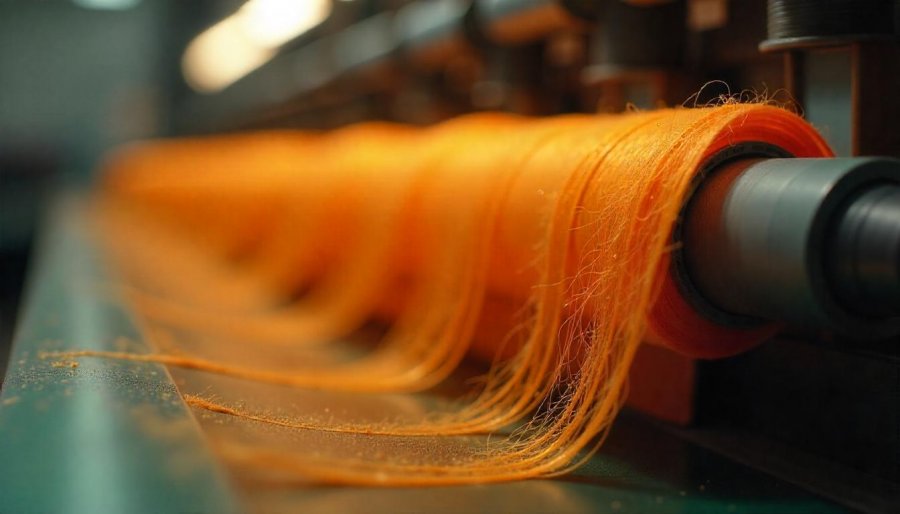
Decoding Nylon’s Properties, Types, and Environmental Challenges
Nylon is one of the most versatile synthetic fibers in modern manufacturing, thanks to its unique combination of strength, elasticity, and durability. These qualities make it a popular choice for a wide range of products, from everyday clothing to industrial applications. Its ability to stretch without losing shape and resist wear and tear has cemented its role in sectors that demand resilience and flexibility. The different types of nylon, primarily nylon 6 and nylon 6,6, each have distinct properties tailored to specific uses, helping explain its broad adoption across industries.
Nylon’s origins trace back to petrochemical processes that rely heavily on fossil fuels like oil and natural gas. Raw materials such as benzene and adipic acid are derived through complex chemical reactions, which are then polymerized into long chains. This polymerization process involves high temperatures and catalysts, making it energy-intensive and contributing significantly to greenhouse gas emissions even before the fibers are spun into textiles or molded into products. The dependence on finite fossil fuels not only influences nylon’s affordability but also raises serious environmental questions, especially considering the ecological impact of resource extraction.
Once produced, nylon’s practical qualities shine through in its many applications. Its elasticity, resistance to moisture, and quick-drying nature make it ideal for activewear, tights, and outdoor gear. Its toughness ensures that carpets, upholstery, and technical fabrics endure repeated use without fraying or breaking. Beyond textiles, nylon’s strength and lightweight properties make it indispensable in manufacturing fishing lines, parachutes, and automotive parts. This versatility fuels global demand, driving large-scale production that often outpaces efforts to address its environmental footprint.
However, nylon’s durability becomes a problem once it’s discarded. Unlike biodegradable materials, nylon fibers resist natural decomposition, persisting in ecosystems for decades. When washed or thrown away, tiny microplastics shed from nylon textiles enter waterways and landfills, infiltrating ecosystems and the food chain. Marine animals ingest these microplastics, which can cause injury or death, while humans are increasingly exposed through seafood consumption. This environmental persistence complicates waste management and underscores the urgent need for sustainable alternatives or improved recycling methods.
The chemical composition of nylon also makes it resistant to breakdown, meaning that even in landfills or oceans, it can remain intact for generations. This resistance contributes heavily to plastic pollution, as nylon waste accumulates and fragments into microplastics. These tiny particles are nearly impossible to remove from the environment and pose risks to wildlife and human health alike. As awareness of microplastic pollution grows, the need to develop biodegradable or more easily recyclable nylon becomes more pressing, highlighting the importance of innovation in sustainable fiber production.
Finally, the reliance on fossil fuels for nylon’s manufacturing process remains a core challenge. As the global community moves toward renewable energy and greener practices, the petrochemical foundation of nylon presents a significant barrier. Emerging technologies like chemical recycling, which breaks down used nylon into its raw components for reuse, and bio-based nylons made from renewable plant materials, offer promising solutions. These innovations aim to reduce dependence on non-renewable resources and mitigate environmental impacts, but widespread adoption will require industry shifts, policy support, and consumer demand. Understanding these properties and limitations of nylon is crucial as we seek to balance its convenience with the urgent need for sustainability.
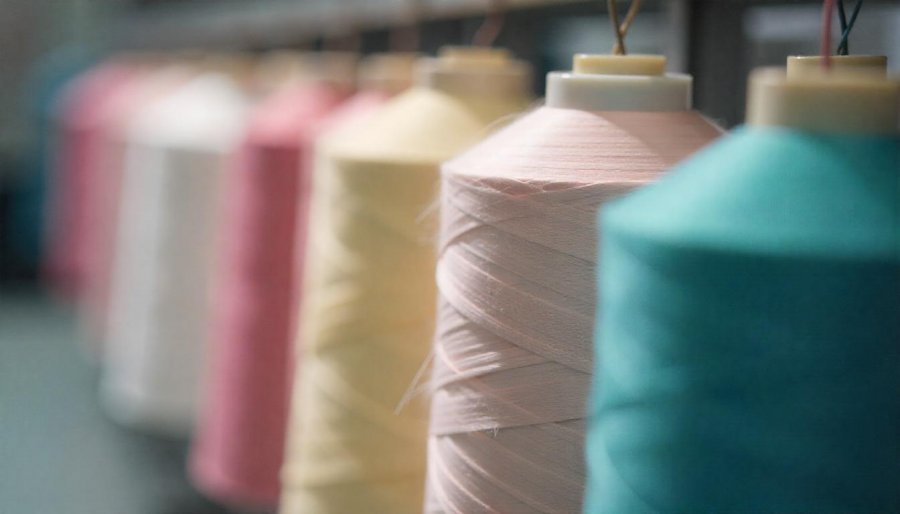
Nylon in Today’s World: Usage, Impact, and Sustainable Shifts
Nylon’s presence in our everyday lives is more widespread than many realize. Its strength, flexibility, and affordability make it a staple across countless industries, supporting everything from the clothes we wear to the furnishings that fill our homes. In fashion, nylon is especially popular for activewear, tights, and outdoor gear because it dries quickly, stretches comfortably, and resists wear and tear. Its durability ensures that many of us go about our daily routines without thinking twice about the material behind those garments. This ubiquity highlights nylon’s practicality, but also masks the environmental costs woven into its extensive use.
Global demand for nylon continues to grow, driven by expanding markets in developing regions and the increasing popularity of performance fabrics. Each year, millions of tons are produced to meet this demand, fueling a vast industry that supports countless jobs and economic activity worldwide. Despite rising awareness of environmental issues, the scale of nylon manufacturing remains largely unchanged, largely because of its low cost and dependable performance. This persistent demand raises important questions about sustainability, particularly considering nylon’s hidden environmental toll.
Different types of nylon, such as nylon 6 and nylon 6,6, are tailored for specific applications, each with its own environmental implications. Nylon 6, often used in textiles, generally requires less energy during production, while nylon 6,6 is preferred in industrial settings for its higher strength and heat resistance. These distinctions influence the overall ecological footprint, as some manufacturing processes are more resource-intensive than others. Regional differences in regulations and standards further shape nylon’s environmental impact, with countries enforcing stricter laws tending to adopt cleaner practices that mitigate pollution.
Technological innovations are beginning to reshape how nylon is produced and recycled, offering pathways to reduce its environmental footprint. Chemical recycling, which breaks used nylon down into its raw components for reuse, is gaining traction, especially when combined with efforts to turn waste like fishing nets and plastic bottles into new fibers. Bio-based nylons, made from renewable plant sources, are emerging as promising alternatives that could lower reliance on fossil fuels without compromising performance. While these solutions are still developing, they signal a shift toward more sustainable manufacturing practices and a future where nylon’s environmental impact is significantly lessened.
Despite these advances, addressing nylon’s environmental challenges requires coordinated efforts across industries, governments, and consumers. Manufacturers need to adopt cleaner, more efficient production methods and expand recycling infrastructure to handle nylon waste effectively. Policymakers can incentivize sustainable practices and enforce stricter regulations on chemical waste and emissions, pushing companies toward greener solutions. Consumers, meanwhile, hold considerable influence through their purchasing choices—favoring recycled, natural, or biodegradable fibers and supporting brands committed to sustainability. Recognizing nylon’s full lifecycle—from resource extraction to disposal—can guide more responsible consumption and industry innovation.
As awareness of nylon’s environmental costs grows, the push for alternatives becomes more urgent. Recycling technologies and bio-based materials hold promise, but widespread adoption depends on industry commitment, supportive policies, and consumer demand. Moving toward biodegradable or more easily recyclable nylon fibers offers a practical way to reduce pollution and conserve resources. Ultimately, the challenge lies in balancing nylon’s undeniable utility with the imperative to protect the environment. Transitioning to more sustainable options isn’t just a choice—it’s a necessity if we want to minimize the long-term ecological impact of this ubiquitous material.