Imagine transforming a routine walk into a peaceful, bonding experience with your dog—an achievement that not only improves behavior but deepens trust and understanding. Mastering calm leash walking turns everyday outings into moments of mutual respect and joy, yet many owners struggle with pulling, distractions, or anxiety. How can you turn a stressful walk into a confident, relaxed routine? This guide reveals simple, effective techniques grounded in positive reinforcement, clear communication, and patience. It emphasizes the importance of consistency, environment management, and appropriate tools to foster calmness and focus. Challenges such as leash pulling, overstimulation, or nervousness are addressed with practical solutions that build confidence gradually. With gradual progress, tailored strategies, and a steady approach, your dog can learn to walk politely at your side—making daily walks safer, more enjoyable, and a true reflection of your bond. Are you ready to unlock this peaceful, mutually rewarding connection?
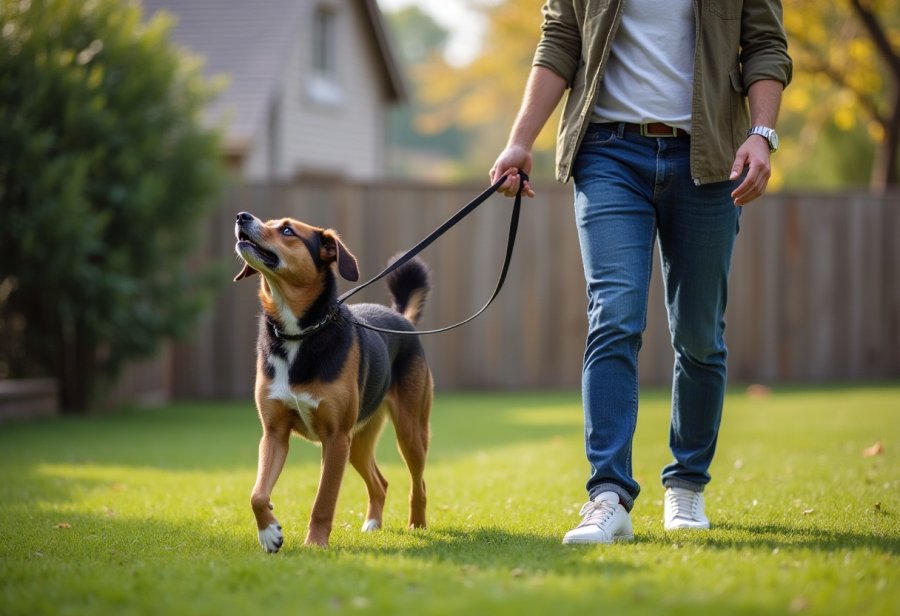
Transform Your Dog Walks Into Calm, Joyful Moments
Taking your dog for a walk should be a peaceful, enjoyable moment, but for many owners, it can quickly turn stressful. Dogs that pull, get distracted, or become overly excited can turn what’s supposed to be a bonding experience into a source of frustration. Learning to walk calmly with your dog isn’t just about good manners; it’s about building trust and creating a stronger connection. When both of you can enjoy a relaxed walk, it transforms a simple routine into a shared moment rooted in communication and mutual understanding.
Mastering calm leash walking turns daily outings into opportunities for connection and trust. When your dog learns to walk by your side without pulling or fussing, walks become safer and more pleasant. Beyond behavior, it helps boost your dog’s confidence and deepens your bond. Calm walks set a foundation for better manners and make your time together more relaxed and joyful. It’s about creating a peaceful rhythm that benefits both of you.
This guide aims to show why peaceful leash training is so valuable and how small, consistent steps can lead to real progress. Whether your dog tends to pull, get distracted, or feel anxious, the techniques here provide practical tools to promote relaxation and focus. Patience and steady effort will help your dog develop a calm, confident attitude during walks, turning what used to be stressful into moments of shared calm and connection.
Remember, every dog learns at their own pace. You don’t need to wait for the perfect moment—training can start right away with simple cues and plenty of praise. With time, patience, and consistency, you’ll notice your dog becoming more focused and relaxed, making walks more enjoyable for everyone involved. Building this skill takes effort, but the rewards—trust, safety, and joy—are well worth it.
Understand Canine Behavior and Build a Foundation of Trust
Understanding your dog’s behavior is the key to effective training. Dogs are naturally social animals that thrive on clear communication, trust, and positive experiences. They are highly receptive to body language, tone of voice, and subtle cues, responding best when they feel safe and understood. Recognizing signs like relaxed posture, attentive focus, or gentle tension helps you respond appropriately, strengthening your bond and making training more successful.
Positive reinforcement is the foundation of modern leash training. Instead of punishing unwanted behaviors, this approach rewards your dog when they exhibit calmness and focus. Treats, praise, or gentle petting create positive associations with desired actions, encouraging your dog to repeat them. Scientific studies support this method, showing that dogs learn best when good behavior is linked to something pleasant, making training feel like a game rather than a chore.
Building trust is essential. When your dog trusts that you will respond consistently and kindly, they tend to relax and become more receptive to learning. Using simple, clear commands helps your dog understand expectations, reducing confusion and anxiety. Establishing routines and consistent cues turn walks into cooperative activities rather than stressful encounters, deepening your connection and making calm leash walking achievable.
Historically, many training methods relied on dominance and correction, which could damage trust or cause fear. Today, experts recognize that gentle, reward-based techniques foster mutual respect. Tools like clickers, front-clip harnesses, and treats support this approach by marking good behavior instantly and managing pulling or distraction effectively. These strategies set the stage for peaceful, confident walks rooted in understanding and patience.
Understanding your dog’s natural instincts and responding positively creates a relationship built on mutual respect. When your dog learns to walk calmly, it reflects a bond of trust and understanding that extends beyond just training. This foundation makes daily walks more enjoyable, turning routine outings into shared moments of joy and connection, where both you and your dog feel confident and relaxed.
Manage Leash and Environment for Peaceful Walks
Successful calm leash walking depends heavily on how you manage the leash and communicate with your dog. Keeping a relaxed grip and using gentle, steady movements help guide your dog without creating tension or encouraging pulling. When tension remains steady and calm, your dog is less likely to become anxious or overly excited, making the walk more peaceful. Clear commands like “heel” or “focus” reinforce your expectations and help your dog associate specific cues with calm, attentive behavior. Consistent use of these cues builds understanding and trust over time.
Controlling the environment plays a crucial role in training. Starting in quiet, familiar spaces minimizes distractions and allows your dog to focus on your cues. As confidence grows, gradually introduce busier areas while maintaining a positive, manageable experience. When your dog pulls or gets distracted, quick redirection with treats or commands helps them learn what behavior you want. Recognizing early signs of distraction or tension allows you to address issues before they escalate, making training more effective and less frustrating.
Consistency is the backbone of good leash training. Short, frequent sessions reinforce routines and commands your dog can rely on. Reward immediately when your dog responds calmly, strengthening the connection between good behavior and positive outcomes. If distractions appear, redirect attention with treats or commands and reward focus. These small, repeated efforts create habits that turn walks into moments of trust and mutual understanding, gradually leading to calmer, more confident walking.
Managing your dog’s energy before walks can make a noticeable difference. A tired dog is more relaxed and easier to handle. Incorporate mental stimulation or light exercise earlier in the day to help burn off excess energy. Choosing the right tools, like front-clip harnesses, supports your training by discouraging pulling comfortably and effectively. When you address challenges early and remain patient, your dog learns to walk calmly at your side, transforming daily outings into peaceful, bonding experiences.
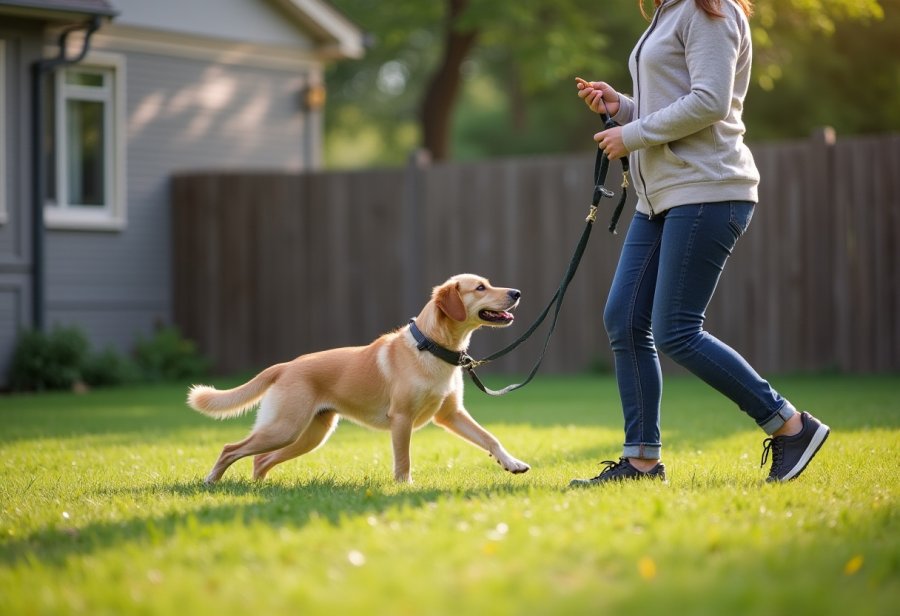
Implement Daily Techniques for Calm Leash Walking
Implementing calm leash walking in your daily routine begins with establishing a consistent approach. Start each walk with a relaxed grip on the leash, avoiding any tension or sudden pulls. Before moving forward, pause briefly to allow your dog to settle, then reward calm behavior with praise or treats. This sets a positive tone and helps your dog understand that staying relaxed is rewarded, making it easier for them to stay focused on you.
Stick to familiar routes initially. They provide a predictable environment where your dog can concentrate on your cues without being overwhelmed. As your dog gains confidence, gradually introduce busier areas, but keep training sessions short and positive. Celebrate small wins, like walking a few steps without pulling, to build your dog’s focus and confidence. Using consistent cues like “focus” or “heel” helps your dog understand expectations, smoothing the learning process.
Mental stimulation before walks can make a big difference. Engage your dog in a quick game or puzzle to help burn off excess energy, leading to calmer behavior during training. A tired dog is more receptive and less likely to pull or become distracted. Choosing the right equipment, such as front-clip harnesses, supports your training goals by discouraging pulling comfortably and effectively.
Pay close attention to distractions. If your dog becomes fixated or starts pulling, gently redirect their attention with treats or commands, rewarding calmness immediately. These redirections reinforce the behavior you want and help your dog learn to stay attentive. Patience is key—training takes time, and setbacks are normal. Always end sessions on a positive note to encourage continued progress.
Adapt your approach as needed. If your usual methods don’t work in certain environments, try changing your route, adjusting cues, or switching tools. Flexibility prevents frustration and keeps training engaging. Over time, consistent practice with a steady, calm attitude will help your dog develop reliable, peaceful walking habits, transforming daily outings into bonding moments of trust and mutual respect.
Invest Wisely in Training Tools and Professional Support
Training supplies and professional help come with a range of costs, but understanding their value helps you make smarter choices. Basic tools like leashes, collars, and treats are affordable and can significantly support your efforts. Investing in quality equipment, such as no-pull harnesses or training collars, might require a bit more upfront, but they often save time and frustration by making training more effective and comfortable for your dog. These tools reinforce good behavior and help prevent pulling, making walks calmer and more enjoyable.
Professional trainers and behaviorists typically charge hourly rates or offer package deals. While the expense might seem high initially, their expertise accelerates progress, especially if your dog struggles with pulling or anxiety. The long-term benefits—calmer walks, a stronger bond, and fewer behavioral issues—often outweigh the initial costs. Think of professional help as an investment in your dog’s well-being and your peace of mind.
Affordable, effective training doesn’t always mean spending a lot. Many budget-friendly tools and online resources provide excellent guidance. Reputable brands and experienced trainers offer quality without breaking the bank. Sometimes, a small investment in the right equipment or a few expert sessions can make a significant difference in your training journey.
Additional expenses, like group classes or private lessons, vary in price but often deliver valuable structure and motivation. Attending these can speed up your dog’s learning and help you stay consistent. When you weigh the benefits—peaceful walks, confident behavior, and a happier dog—the costs tend to be well worth it.
Budgeting wisely involves prioritizing essential tools and seeking community resources or online tutorials. Many shelters and nonprofits offer low-cost or free training programs, providing a great starting point without a hefty price tag. Consistent effort and smart resource use lead to lasting improvements.
Remember, investing in your dog’s training and your relationship doesn’t mean overspending. The right tools and guidance can turn stressful walks into peaceful, bonding moments. Over time, these investments foster a calmer, happier dog and a more fulfilling life together.
Create a Sustainable Plan for Continued Progress
Creating a solid plan to maintain and build on your dog’s calm leash walking skills is key to lasting progress. Start by setting clear, achievable goals—whether it’s walking without pulling, increasing focus in busier environments, or simply enjoying more relaxed outings. Break these goals into manageable steps and celebrate each small victory. This keeps motivation high and makes the training feel less overwhelming.
Consistency is your best friend. Incorporate daily or regular practice sessions, sticking to the same cues and routines so your dog can reliably learn what’s expected. Tracking progress—even with a simple journal or app—helps you see what’s working and where to improve. As your dog gains confidence, gradually introduce new challenges, like busier streets or more distractions, always rewarding calm, focused behavior.
Review your plan periodically and adjust as needed. Short-term milestones, such as walking calmly for a certain distance, provide motivation and measurable progress. Keep sessions brief but frequent, reinforcing routines and ensuring your dog doesn’t become overwhelmed. Patience is essential—training isn’t linear, and setbacks happen. When they do, treat them as opportunities to reassess and refine your approach.
Be flexible. If a particular method or route isn’t working, try a different one or tweak your cues. Sometimes, a small change can make a big difference. Seek advice from trainers or behaviorists if persistent challenges arise—they offer tailored insights that can accelerate progress and deepen your understanding of your dog’s needs.
Remember, the goal extends beyond just mastering calm walks. It’s about creating a sustainable routine that fosters trust, confidence, and joy for both of you. With a clear plan, steady effort, and patience, peaceful, confident walks will become a natural and rewarding part of your daily life together.
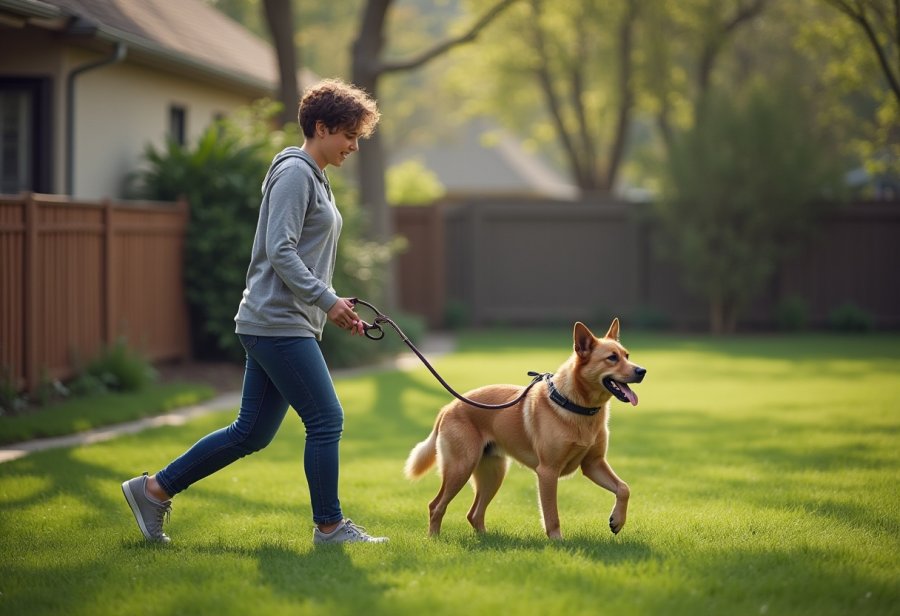
Overcome Challenges and Adapt Strategies for Calm Walking
Training a dog to walk calmly beside you can come with its fair share of hurdles, but knowing how to handle challenges makes all the difference. Leash pulling and distractions are common stumbling blocks, especially in busier environments. The key is to stay patient and consistent, adjusting your approach rather than reacting with frustration. When your dog pulls, gently redirect their attention with a treat or a command like “focus,” and praise them when they respond. Over time, this teaches them that calm, attentive behavior results in positive reinforcement.
Distractions such as scents, sounds, or other animals can pull your dog’s focus away, making walks more stressful. Introducing your dog gradually to new environments and rewarding focus builds confidence and helps them learn to ignore temptations. Starting in quiet areas and slowly working toward busier spots prevents overwhelm and keeps training effective. If your dog becomes overstimulated, giving them a break or a calming treat resets their mood and prevents setbacks.
For dogs that are anxious or nervous, pushing too hard can backfire, increasing tension rather than calming it. In these cases, slow exposure combined with lots of praise and treats creates a positive association with new experiences. Short, frequent sessions help your dog relax and build trust gradually. If behavioral issues persist despite your efforts, consulting a professional trainer can provide tailored strategies that address underlying fears or frustrations.
Flexibility is essential. Sometimes a different route, a change in cues, or a new tool like a front-clip harness can turn things around. Recognize that setbacks are normal and part of the process. Patience and a willingness to adapt keep your training on track and your dog motivated. With consistent effort and an open mind, your dog will learn to walk calmly and confidently by your side, transforming walks into peaceful, bonding moments.